Federal Government Boosts Electric Vehicle Adoption with Incentives
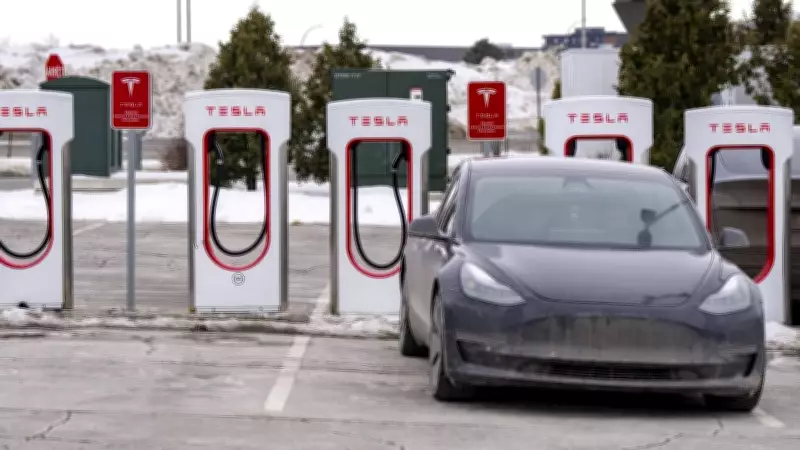
The Canadian federal government has implemented new incentives to encourage the purchase of electric vehicles (EVs), aiming to accelerate the transition to cleaner transportation. These measures include rebates and tax credits designed to make EVs more affordable for consumers across the country. The initiative is part of a broader strategy to reduce greenhouse gas emissions and promote sustainable energy use in the automotive sector.
Nova Scotia Imposes Higher Costs on Electric Vehicles
In contrast, the province of Nova Scotia has recently introduced policies that increase the cost of electric vehicles. This includes additional taxes or fees specifically targeting EVs, which critics argue undermines federal efforts and makes it harder for residents to adopt eco-friendly transportation options. The move has sparked concerns about affordability and accessibility for consumers in the region.
The disparity between federal incentives and provincial taxes creates a significant cost gap for EV buyers in Nova Scotia compared to other parts of Canada. For instance, while a consumer might benefit from a federal rebate, the added provincial charges could offset those savings, resulting in higher overall expenses. This situation highlights the challenges of coordinating environmental policies between different levels of government.

Impact on Consumers and Environmental Goals
The conflicting approaches have led to confusion and frustration among potential EV buyers in Nova Scotia. Many are questioning the rationale behind increasing costs for vehicles that are intended to help combat climate change. This policy clash could slow down EV adoption rates in the province, potentially hindering progress toward national and provincial environmental targets.
Experts suggest that better alignment between federal and provincial policies is needed to ensure consistent support for electric vehicle adoption. Without such coordination, consumers may face barriers that discourage them from making the switch to cleaner transportation alternatives.
Broader Context and Future Outlook
This issue is part of a larger debate over how to balance economic considerations with environmental priorities in the transition to electric mobility. As other provinces and territories implement their own EV policies, similar disparities may emerge across Canada. Stakeholders are calling for more collaborative efforts to create a unified approach that supports both affordability and sustainability.
In summary, while Ottawa's incentives aim to boost electric vehicle purchases, Nova Scotia's tax hike makes them more expensive, creating a complex landscape for consumers and policymakers alike. The outcome of this conflict could influence future decisions on EV regulations and funding at both the federal and provincial levels.