Soaring oil prices, triggered by the war in Iran and the resulting turmoil in global energy markets, have ignited a significant surge in electric vehicle (EV) sales across much of the world. In March, the first full month following the onset of hostilities, consumers in France, Germany, and the United Kingdom purchased 206,200 EVs, marking a 44 percent increase compared to the same month in the previous year. South Korea saw electric car transactions more than double, while Italy, traditionally a slower adopter of electrification, reported 16,000 battery-powered vehicles sold, a 67 percent year-over-year rise.
Global EV Sales Rise Despite U.S. and China Slowdown
The surge in EV demand was not entirely unforeseen; online searches for EV listings intensified in the weeks following the conflict. According to new global data from BloombergNEF, consumers worldwide purchased 1.1 million EVs in March, a 2 percent increase from the year-earlier period. Battery-powered vehicles accounted for approximately 17 percent of all new cars and trucks sold globally, roughly the same share as in March 2025. These gains occurred despite flagging sales in the world's largest auto markets, including Canada, China, and the United States. However, robust demand in Europe, Australia, and parts of Asia more than compensated for these declines.
Tesla Inc. highlighted the uptick in orders as a positive factor in its recent quarterly results. Chief Financial Officer Vaibhav Taneja remarked on a conference call, "2026 has had an interesting start, not just for us, but I think the world in general. On the autos business, we have seen a resurgence in demand."

Key Drivers: High Gas Prices and Affordable Chinese Models
Analysts attribute the EV sales boom to a combination of elevated gasoline prices and the availability of affordable new models from Chinese automakers. Chinese exports of EVs and hybrids reached a new record in March, increasing by 140 percent from the previous year, according to the China Passenger Car Association. Major export markets experiencing substantial jumps in EV shipments included Australia (up 67 percent from February), Belgium (up 63 percent), and Germany (up 34 percent), based on Chinese customs data. These increases align with survey results indicating a surge in consumer interest in EVs as fuel prices have risen.
Peter Mock, Europe director at the International Council on Clean Transportation, noted, "The March data suggest that scaling up to electrification can occur at a meaningful pace when market and policy conditions align. The coincidence with the recent oil price shock is notable."
Consumer Stories Reflect Growing EV Adoption
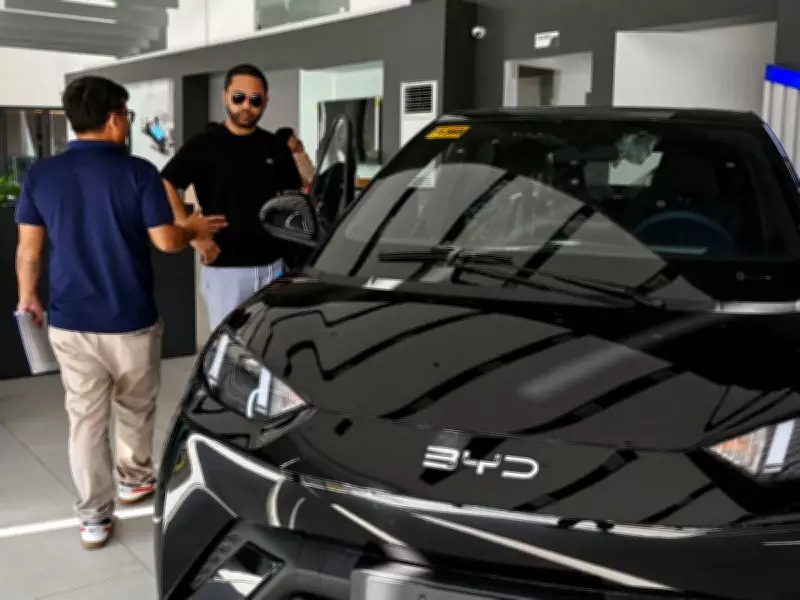
Graham Kettlewell, a 62-year-old atmospheric chemist living near Sydney, Australia, had been considering an EV for years. Despite his professional focus on measuring rising CO2 levels, he only recently traded in his 2014 Nissan Altima for a BYD Co. Dolphin, a compact Chinese hatchback priced at about US$30,000 in Australia. His story exemplifies the broader trend of consumers turning to EVs amid rising fuel costs and increased model availability.
The renewed global appetite for EVs presents a significant opportunity for Chinese manufacturers, who are well-positioned to meet demand with competitively priced vehicles. As oil prices remain volatile, the shift toward electrification appears to be accelerating, reshaping the automotive landscape worldwide.