Carney's EV Mandate Rebrand: Same Policy, Different Name, Critics Say
Prime Minister Mark Carney's announcement regarding electric vehicle regulations has sparked significant debate across Canada. While headlines suggested the scrapping of the previous EV mandate, a closer examination reveals a policy rebranding rather than a fundamental shift. The original mandate, a hallmark of the Trudeau era, aimed for 100% zero-emission vehicle sales by 2035, but Carney's new approach introduces revised standards and incentives that critics argue maintain similar objectives.
The Policy Shift: From Mandate to Standards
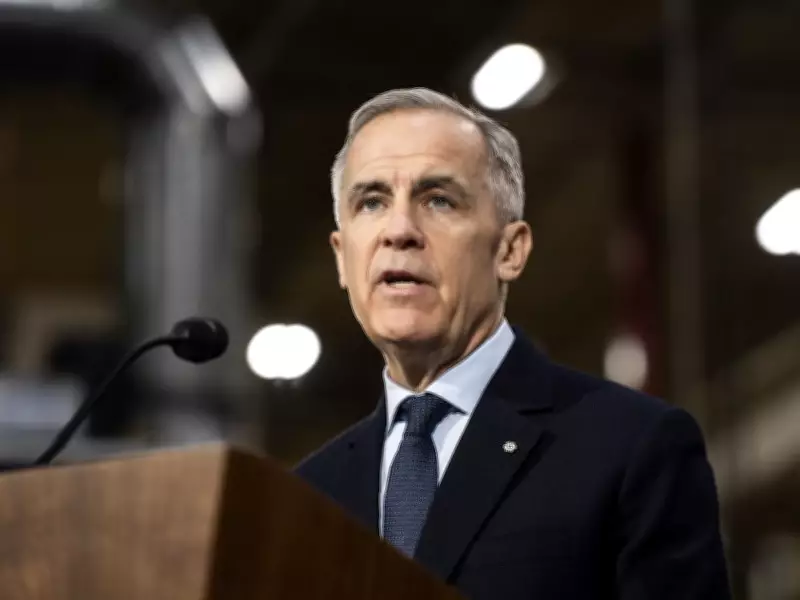
During a visit to an auto-parts plant in Woodbridge, Ontario, Carney unveiled what he termed "Canada's new government" approach. Instead of the strict 100% EV sales target by 2035, the government now implements "more stringent" tailpipe-emissions standards. According to Carney, these standards effectively require 75% of new cars to be zero-emissions by 2035 and 90% by 2040. This change is framed as offering flexibility to automakers, but skeptics view it as a marginally less aggressive version of the same policy.
The reintroduction of tax credits for EV purchases accompanies these standards, aiming to incentivize consumer adoption. However, this move raises concerns about economic impacts and competitiveness, particularly in light of American protectionism and the current state of Canadian manufacturing.

Economic and Practical Concerns
Critics highlight several issues with the rebranded policy:
- Consumer Resistance: Despite incentives, Canadians have shown reluctance to adopt EVs, partly due to harsh winters and inadequate electrical infrastructure.
- Manufacturing Challenges: Stricter emissions standards may render some Canadian-made cars ineligible for domestic sale, increasing reliance on the U.S. market.
- Competitiveness: EV tax credits could drive purchases of American-made vehicles, as Canada lacks significant EV production, potentially harming local automakers.
Carney's plan includes a $1.5 billion investment in electrification, but questions remain about implementation timelines and effectiveness. Environmental groups accuse the government of yielding to corporate pressure, while industry players express cautious optimism, though the core goal of boosting EV sales persists.
A Broader Perspective
This policy shift reflects ongoing tensions between environmental ambitions and economic realities. As Carney navigates these challenges, the debate underscores the complexities of transitioning to a greener economy without undermining industrial competitiveness. The rebranded EV mandate, with its adjusted targets and incentives, continues to prioritize emissions reduction, but its success hinges on addressing practical barriers and fostering a sustainable automotive sector in Canada.