Canadian Consumers Embrace Chinese EVs as Tariffs Ease, Poll Reveals
As Prime Minister Mark Carney implements lower tariffs on Chinese electric vehicle imports, new polling data suggests a significant shift in Canadian consumer attitudes toward these vehicles. According to a Nanos Research Group survey conducted for Bloomberg News, 53 percent of Canadians report that knowing an EV was manufactured in China would have no impact on their purchasing decision.
Changing Consumer Sentiment
The poll reveals a dramatic transformation in Canadian perspectives compared to just two years ago. In 2024, 61 percent of Canadians stated they would be less likely to purchase a Chinese electric vehicle, with only 25 percent indicating it would have no effect on their decision. Today, that indifference has more than doubled, while the percentage of those actively opposed has dropped to 28 percent.
Furthermore, 15 percent of respondents now say Chinese manufacturing would actually make them more likely to buy an electric vehicle, compared to just nine percent in 2024. This represents a notable softening of attitudes toward Chinese automotive manufacturers in the Canadian market.

Policy Shifts and International Context
The changing consumer sentiment follows significant policy adjustments by the Canadian government. In 2024, under then-Prime Minister Justin Trudeau, Canada imposed an additional 100 percent tariff on Chinese EVs, effectively blocking their entry into the retail market in alignment with United States policy. China responded with retaliatory duties on Canadian agricultural exports, including canola.
During a recent trip to Beijing, Prime Minister Carney announced a reversal of this approach. The new policy allows up to 49,000 Chinese EVs annually into Canada at a substantially reduced tariff rate of approximately six percent. In exchange, China agreed to roll back its duties on Canadian food products.
The agreement includes specific provisions aimed at increasing affordability, with part of the import quota reserved for electric vehicles priced at $35,000 or less. While initial imports may include more expensive models already familiar to Canadians, such as Tesla vehicles manufactured in Chinese factories, the government intends to gradually introduce lower-priced options to the domestic market.
Industry Reactions and Concerns
The policy change has generated mixed reactions from various stakeholders. U.S. automakers and the Ontario government have expressed opposition to the agreement, with Ontario Premier Doug Ford raising security concerns by referring to potential imports as "Chinese spy vehicles." Ontario is home to several automotive assembly plants that could face increased competition.
Falak Kothari, manufacturing industry leader at Marsh Canada, commented on the dual nature of the development: "Allowing in low-cost Chinese cars can open the market in terms of affordability, but it does come with its share of concerns around security, privacy and where that data ultimately goes."
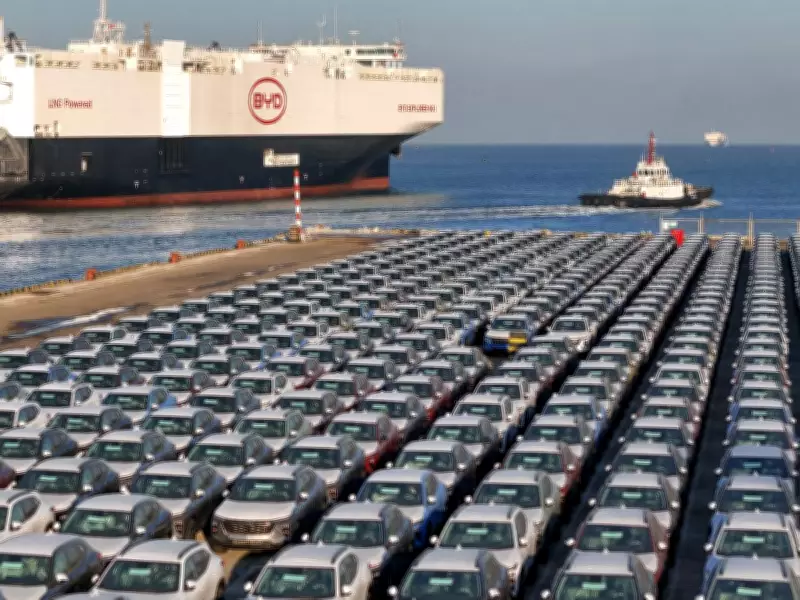
Kothari added that the policy shift could make a significant impact, potentially enabling companies like BYD and other Chinese manufacturers to enter the Canadian market for the first time.
Broader Automotive Policy Context
The EV agreement with China coincides with other recent government initiatives aimed at boosting electric vehicle adoption. The federal government has unveiled plans to reintroduce consumer incentives for EV purchases, offering up to $5,000 per vehicle, alongside promised new emission standards for the automotive industry.
This comprehensive approach reflects Canada's evolving strategy toward electric vehicle adoption, balancing international trade relationships, consumer affordability concerns, and domestic industry considerations as the automotive market continues its transition toward electrification.