Canada Expected to Abandon Controversial Electric Vehicle Mandates
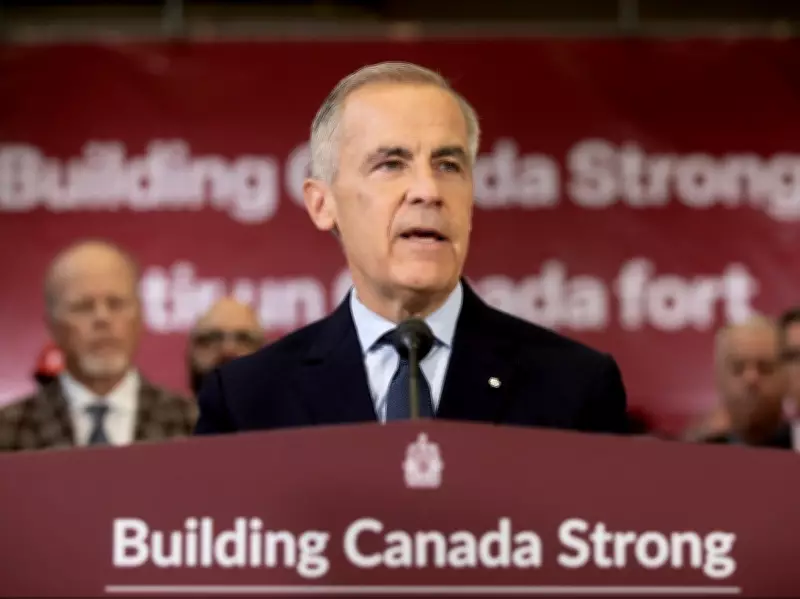
Prime Minister Mark Carney is poised to officially terminate Canada's highly debated electric vehicle mandates this Thursday, according to government sources. The announcement is scheduled to take place during a visit to an automotive parts manufacturing facility in the Greater Toronto Area, marking a significant policy reversal from the previous administration's environmental agenda.
End of an Era for Trudeau's EV Vision
The mandates, originally implemented under former Prime Minister Justin Trudeau, established ambitious targets for zero-emission vehicle adoption across the country. Beginning with the 2026 model year, automakers would have been required to ensure that 20% of their new vehicle sales consisted of electric vehicles, with that percentage escalating annually until reaching 100% by 2035. This framework would have effectively prohibited the sale of new internal combustion engine vehicles, including plug-in hybrids that utilize gasoline engines alongside electric power.
Industry Pressure and Economic Concerns
Canada's automotive sector has been vocal in its opposition to the mandates, citing unsustainable financial burdens and competitive disadvantages. The Canadian Vehicle Manufacturers Association released a statement emphasizing that "the EV mandate imposes unsustainable costs on auto manufacturers, putting at risk Canadian jobs and investment in this critical sector of our economy." Industry representatives have advocated for a complete repeal of the regulations to provide immediate relief to manufacturers facing increasing pressure.

Under the existing framework, manufacturers failing to meet the mandated sales targets would face substantial penalties of $20,000 per vehicle exceeding their quota. Alternatively, companies could purchase credits from automakers who exceeded their requirements, creating a potential windfall for exclusively electric vehicle manufacturers like Tesla. The American company reported over US$1.03 billion in revenue from regulatory credits during the first half of 2025 alone.
Transition to New Fuel Efficiency Standards
Media reports indicate that the unpopular mandates will be replaced with a new set of fuel efficiency standards, offering greater flexibility to the automotive industry while maintaining environmental objectives. Prime Minister Carney initially paused the EV program in the fall of 2025, launching a comprehensive 60-day review to develop a more balanced approach. During a September press conference in Mississauga, Carney stated that removing the 2026 Electric Vehicle Availability Standard would "provide immediate financial relief to automakers at a time of increased pressure on their competitiveness."
Shifting Consumer Demand and Global Context
The decision comes amid declining public interest in electric vehicles and numerous automakers scaling back or canceling ambitious EV projects. This trend mirrors actions taken in the United States, where President Donald Trump rescinded similar EV mandates shortly after taking office. The Canadian government's policy shift acknowledges the changing landscape of consumer preferences and the practical challenges facing the automotive industry during this transitional period.
Prime Minister Carney is expected to provide further details during a press conference scheduled for Thursday morning, outlining the specific parameters of the new fuel efficiency standards that will replace the controversial mandates. The announcement represents a significant recalibration of Canada's environmental and industrial policies, balancing climate objectives with economic realities and industry viability.