California Environmental Leader Applauds Canada's Chinese EV Import Agreement
California's chief environmental regulator has publicly praised a significant trade agreement between Canada and China that facilitates the importation of electric vehicles, describing it as a positive development in the worldwide transition away from gasoline-powered transportation.
Regulatory Endorsement at San Francisco Summit
During the BloombergNEF summit held in San Francisco, California Air Resources Board chair Lauren Sanchez expressed enthusiasm about the Canadian government's recent announcement. "I'm excited to see what unfolds in Canada now after you see what the prime minister announced," Sanchez stated on Tuesday. "It only reinforces that the Trump administration is going it alone."
Details of the Canada-China Trade Agreement
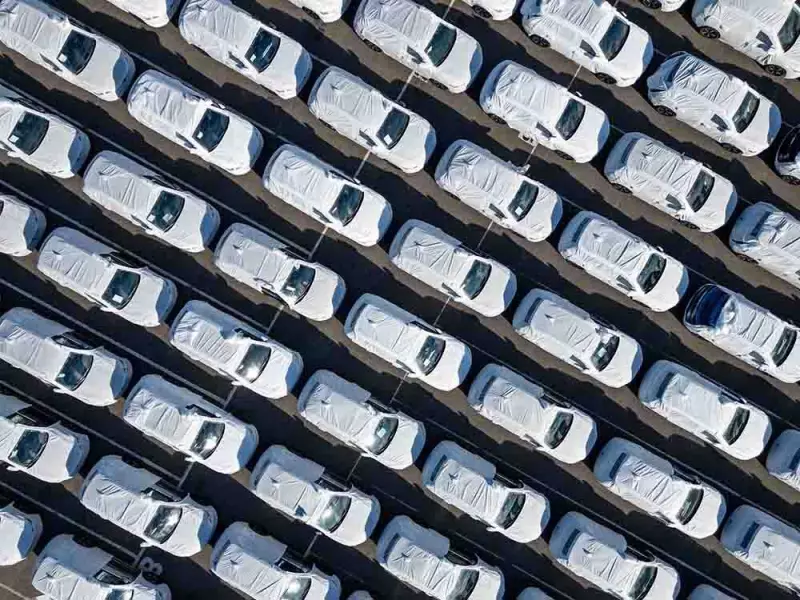
Earlier this month, Canada and China reached a comprehensive agreement designed to reduce trade barriers and rebuild diplomatic relations, marking a notable shift in Canadian foreign policy away from alignment with United States President Donald Trump's trade agenda. Under this arrangement, Prime Minister Mark Carney consented to permit up to 49,000 Chinese electric vehicles into the Canadian market with a substantially reduced tariff rate of approximately six percent, eliminating the previous 100 percent surtax.

This concession came in response to Chinese President Xi Jinping's decision to lower tariffs on canola, a crucial Canadian agricultural export that represents significant economic value for Canadian farmers and the broader agricultural sector.
Reactions from the U.S. Automotive Industry
The trade agreement has generated considerable concern within the American automotive industry, where executives worry that Canada might become an indirect entry point for affordable Chinese vehicles into the United States market. In response to these developments, President Trump has threatened to impose a 100 percent tariff on Canadian exports to the U.S., potentially escalating trade tensions between the neighboring nations.
California's Ongoing Commitment to Electric Vehicles
In California, Sanchez continues to advocate for sustained support of electric vehicle adoption despite federal policy challenges. The Trump administration and Congress have attempted to undermine the California Air Resources Board's authority to regulate emissions, rolled back stringent fuel-economy standards that encouraged automakers to electrify their vehicle lineups, and eliminated funding for the federal US$7,500 incentive for zero-emission vehicle purchases that had been in place for over a decade.
Sanchez attributed the recent decline in U.S. electric vehicle sales during the fourth quarter to the Trump administration's "targeted attacks" on battery-powered automobiles. She highlighted that California remains committed to advancing electric vehicle adoption through a substantial US$200 million investment to maintain consumer incentives within the state, which represents the largest automotive market in the United States.
Global Context and Competitive Considerations
"The rest of the developed world and the developing world sees the benefits of electric vehicles and, again, wants to remain competitive in a global market where it is headed," Sanchez explained during an interview at the conference. "That's why we are focused on advancing that $200 million investment in incentives and making sure that we are supporting our domestic manufacturers here across the state."
When questioned about whether American consumers might eventually see electric vehicles from BYD Co., the Chinese automotive giant that recently surpassed Tesla Inc. as the world's leading electric vehicle seller, Sanchez noted that such decisions fall outside her jurisdiction. However, she suggested that Canadian consumers, particularly those in Vancouver, might have access to these vehicles through the new trade agreement.