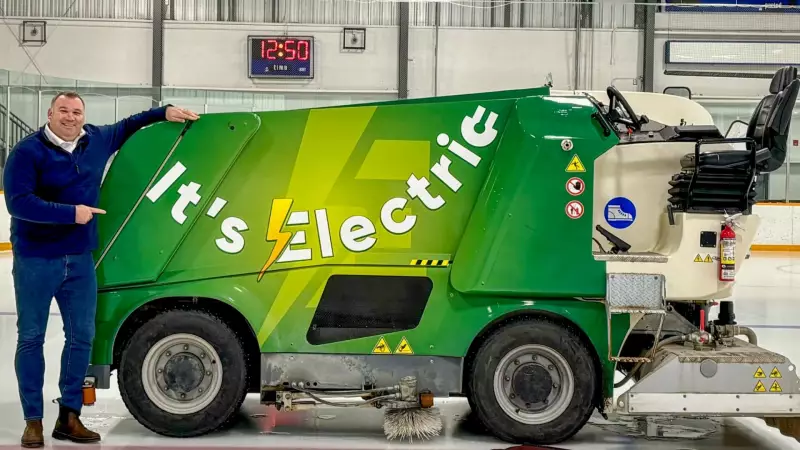
The City of Barrie is taking a significant step towards greener municipal operations by approving the acquisition of new, zero-emission equipment for its ice rinks. Council has cleared the way for the purchase of eight electric ice resurfacers, a move aimed directly at reducing the city's carbon footprint from its recreational facilities.
A Cleaner Cut for Barrie's Ice
This initiative, announced on December 19, 2025, represents a direct investment in sustainable infrastructure. The decision to transition from traditional gas-powered machines to electric models is part of a broader municipal strategy to minimize greenhouse gas emissions. The familiar smell of gasoline exhaust in local arenas will soon be replaced by the quiet hum of electric motors, creating a healthier environment for both staff and patrons.
The Details of the Deal
The approval authorizes city staff to proceed with the procurement process for the eight machines. While the exact financial details of the purchase were not disclosed in the initial announcement, the long-term savings are anticipated in both fuel costs and reduced maintenance. Electric resurfacers, also known as Zambonis in generic terms, have fewer moving parts and do not require oil changes or exhaust system repairs associated with internal combustion engines.

The primary goal is environmental. Each electric unit eliminates the direct tailpipe emissions of its gasoline-powered counterpart. When multiplied across the city's network of arenas and their frequent use throughout the long hockey and skating season, the reduction in pollutants like carbon monoxide and nitrogen oxides is expected to be substantial.
Implications for Operations and Community Health
This shift is more than just an equipment upgrade; it's a change in operational philosophy. The city will need to ensure adequate charging infrastructure is in place at each facility. However, the benefits extend beyond municipal balance sheets and emission charts.
Indoor air quality in arenas has long been a concern due to the buildup of fumes from ice-resurfacing equipment and other machinery. By switching to electric, Barrie is proactively addressing this health consideration, making its public spaces safer for children, athletes, seniors, and employees. This move aligns with growing public awareness and demand for cleaner public facilities.
The adoption of this technology places Barrie among a growing number of Canadian municipalities leading the charge in electrifying municipal fleets and operations. It sets a precedent for other cities looking to modernize their recreational infrastructure sustainably. The decision underscores how local government actions on climate change can have immediate, tangible benefits for community health and operational efficiency.