Despite Ontario's new law capping resale ticket prices at face value, tickets for the Portugal-Croatia World Cup match in Toronto are listed for up to 10 times their original cost, highlighting the law's unenforceability. The match, a knockout game in the world's biggest sporting event, features stars like Luka Modric and Cristiano Ronaldo, driving demand through the roof.
Sky-high resale prices on StubHub and SeatGeek
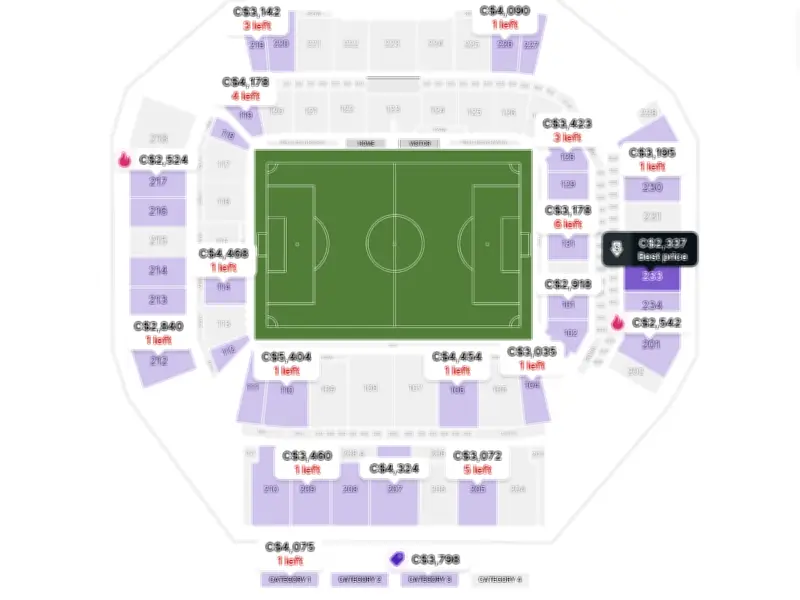
On StubHub, upper-section seats with a face value of $375 were listed for between $2,700 and $5,700 each. Similar prices appeared on SeatGeek, with some listings reaching $4,898 per ticket in the highest corner of the temporary north stand at the stadium. While listed prices don't confirm actual sales, the volume of listings at those levels suggests transactions are occurring, according to the article by Scott Stinson.
This blatant disregard for the law is understandable, given the difficulty of enforcement. The Ontario government would need to dedicate massive resources to track down every seller above face value on resale sites, which are designed for frictionless, fast transactions. So far, the province's response has been limited to increasing potential fines and adding StubHub and SeatGeek to the Consumer Beware List—a move Stinson likens to a regulatory "naughty step."

Law's origins and unworkability
The current law, passed in the spring as part of the Ontario budget, amended the Ticket Sales Act to restrict resales to the original ticket cost plus fees and taxes. It was a surprising move from Premier Doug Ford, who had repealed a similar 50% above-face-value cap in 2019, calling it unenforceable. The law's revival came after the Toronto Blue Jays' hot streak last season prompted complaints about ticket prices.
Resale sites have stated they intend to comply but have sought guidance, noting they have no way to verify the original cost of tickets. Stinson argues the World Cup proves the law is unworkable: "The lesson of those sky-high prices is not that sellers are making off like thieves, but that there is huge demand for a once-in-a-lifetime event and that, like any ultra-luxury good, some people will pay a bonkers amount for it."
Alternative markets and enforcement challenges
If not through regulated resellers, sales would shift to unpredictable platforms like Kijiji, where one listing offered two tickets for $4,500 and another requested a contact for lower-bowl seats with no price listed. One creative individual listed a ticket for free, but only if the buyer also provides a ticket for him to attend together. These examples underscore the difficulty of enforcement and the law's unintended consequences.
The article concludes that the law was always bound to be unworkable, and the World Cup's first major test is proving that to be true.