Western Europe recorded its hottest June on record in 2026, according to scientists from the European Union's Copernicus Climate Change Service. The average temperature across the region was 1.2 degrees Celsius higher than the previous record set in 2019, marking a significant escalation in climate extremes.
Record-breaking temperatures across the region
The heatwave affected multiple countries, with France, Spain, and Germany experiencing some of the most extreme conditions. In Paris, temperatures reached 40.7 degrees Celsius on June 24, the highest ever recorded in the city during June. The heat triggered health warnings and emergency measures across Europe, including the activation of cooling centers and restrictions on outdoor activities.
According to Copernicus, the June average temperature for Western Europe was 2.5°C above the 1991-2020 baseline. The heatwave was driven by a persistent high-pressure system that trapped warm air over the region, exacerbating the effects of climate change. The agency noted that such extreme events are becoming more frequent and intense due to global warming.

Impact on health and infrastructure
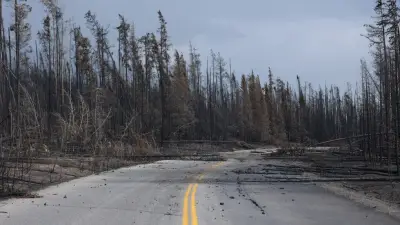
The extreme heat led to at least 1,500 excess deaths across Western Europe, according to preliminary data from public health agencies. Hospitals reported a surge in heat-related illnesses, including heatstroke and dehydration. In Spain, wildfires broke out in several regions, forcing evacuations and destroying thousands of hectares of land.
Transport infrastructure was also affected, with rail services disrupted in France and the UK due to buckling tracks and overheating equipment. Power grids faced increased demand as air conditioning usage spiked, leading to temporary blackouts in some areas.
Climate change attribution
Scientists from the World Weather Attribution group said that climate change made the June heatwave at least 10 times more likely. They estimated that the event was a once-in-50-years occurrence in the current climate, but could become a once-in-5-years event if global temperatures rise by 2°C.
"The record-breaking June heatwave in Western Europe is a stark reminder that climate change is accelerating," said Dr. Samantha Burgess, deputy director of the Copernicus Climate Change Service. "Without rapid reductions in greenhouse gas emissions, such extreme events will become more common and severe." The findings underscore the urgency of meeting the goals of the Paris Agreement, which aims to limit global warming to well below 2°C.