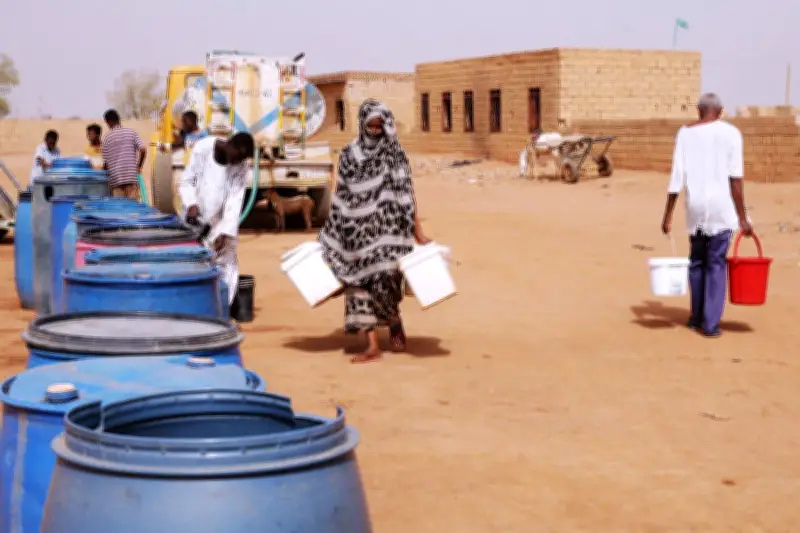
The United Nations food agencies have issued a stark warning that acute hunger is set to worsen in 13 global hot spots, as the risk of famine continues to rise. The report, released by the Food and Agriculture Organization (FAO) and the World Food Programme (WFP), highlights the escalating food crisis driven by conflict, climate shocks, and economic instability.
Key Regions at Risk
According to the agencies, countries such as Sudan, South Sudan, and the Democratic Republic of Congo are among the most affected. In Sudan, ongoing violence has disrupted agriculture and supply chains, leaving millions without access to food. The report also points to the impact of extreme weather events, including droughts and floods, which have devastated crops in parts of Africa and Asia.
Conflict and Economic Pressures
Conflict remains the primary driver of hunger, with wars in Ukraine, Yemen, and the Sahel region exacerbating food shortages. Economic instability, including high inflation and debt burdens, has further strained food systems, making it difficult for vulnerable populations to afford basic necessities.

The FAO and WFP are calling for urgent international action to prevent a catastrophic famine. They emphasize the need for increased funding for humanitarian aid, as well as long-term investments in agriculture and resilience-building programs.
Call for Global Response
“We are at a critical juncture,” said a spokesperson for the WFP. “Without immediate intervention, millions more will face severe hunger and malnutrition. The international community must step up to save lives and prevent a humanitarian disaster.”
The report urges governments and donors to prioritize funding for food assistance, nutrition programs, and conflict resolution efforts. It also highlights the importance of addressing climate change to mitigate its impact on food security.
Rising Famine Risks
The agencies warned that the risk of famine is particularly high in areas where conflict and extreme weather overlap. In Ethiopia’s Tigray region, for example, millions remain at risk of starvation despite a peace deal. Similarly, in Afghanistan, economic collapse and drought have pushed millions into acute food insecurity.
The report comes as the world faces a growing food crisis, with global food prices remaining high and supply chains under strain. The UN has called for a coordinated global response to address the root causes of hunger and build more resilient food systems.