Trump Administration Overturns Foundational Climate Regulation
The Trump administration has taken a decisive step by revoking a critical scientific determination that has long served as the cornerstone for United States efforts to regulate greenhouse gas emissions and combat climate change. This action, announced on Thursday, represents the most aggressive move by President Donald Trump to dismantle climate-related regulations, with far-reaching implications for environmental policy.
Endangerment Finding Rescinded by EPA
The Environmental Protection Agency finalized a rule that rescinds the 2009 endangerment finding, a government declaration established during the Obama administration. This finding concluded that carbon dioxide and other greenhouse gases pose a threat to public health and welfare. It has been the legal foundation for nearly all climate regulations under the Clean Air Act, affecting motor vehicles, power plants, and various pollution sources contributing to global warming.
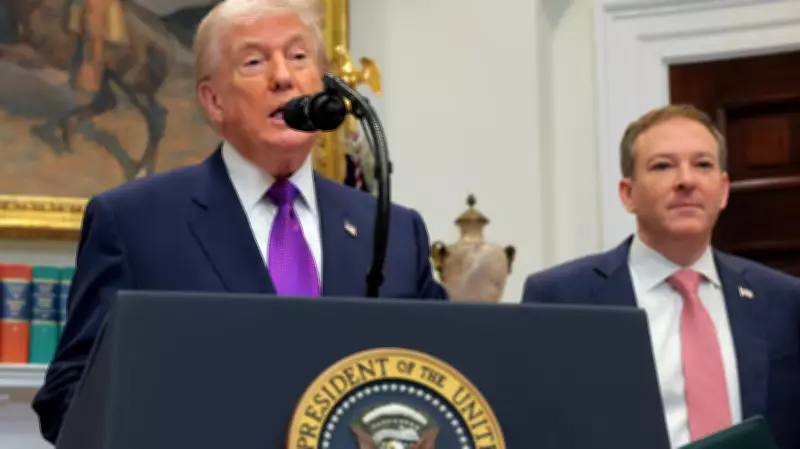
President Trump hailed this move as "the single largest deregulatory action in American history," while EPA Administrator Lee Zeldin criticized the endangerment finding as "the Holy Grail of federal regulatory overreach." The repeal is expected to trigger immediate legal challenges, as it eliminates all greenhouse gas emissions standards for cars and trucks and could lead to a broader undoing of climate regulations for stationary sources like power plants and oil and gas facilities.

Legal and Environmental Backlash
Ann Carlson, an environmental law professor at the UCLA School of Law, warned that overturning this finding will "raise more havoc" than previous environmental rollbacks by the Trump administration. Environmental groups have condemned the action, labeling it the most significant attack in U.S. history against federal authority to address climate change. Gina McCarthy, a former EPA administrator and White House climate adviser under the Biden administration, called the move reckless, stating that the EPA is prioritizing fossil fuel interests over public protection from pollution and climate impacts.
The Supreme Court upheld the endangerment finding in a 2007 case, Massachusetts v. EPA, ruling that greenhouse gases are air pollutants under the Clean Air Act. Since then, courts have consistently rejected legal challenges to the finding. David Doniger, a climate expert at the Natural Resources Defense Council, argued that Trump and Zeldin are attempting a "kill shot" to invalidate nearly all climate regulations, potentially erasing current limits on greenhouse gas pollution and hindering future administrations from proposing rules to mitigate global warming.
Broader Implications for Transportation and Industry
In addition to revoking the endangerment finding, the EPA announced a two-year delay to a Biden-era rule restricting greenhouse gas emissions from cars and light trucks. This delay aims to allow the agency to develop a plan that accounts for slower electric vehicle sales, promotes consumer choice, and lowers prices. The Trump administration has also proposed weakening vehicle mileage rules, reducing regulatory pressure on automakers to control pollution from gasoline-powered vehicles.
Zeldin, alongside Transportation Secretary Sean Duffy, has moved to scale back tailpipe emission limits, arguing that previous Democratic administrations pursued climate policies that could "bankrupt the country." Myron Ebell, a conservative activist skeptical of climate science, praised the withdrawal as a step toward "energy and economic sanity." However, environmental advocates warn that these changes will keep polluting vehicles on the roads longer, threatening public health, especially for vulnerable groups like children and the elderly.
The transportation sector remains the largest source of greenhouse gas emissions in the U.S., making these regulatory shifts particularly consequential. As legal battles loom, the repeal of the endangerment finding sets the stage for a prolonged conflict over the federal government's role in addressing climate change and protecting environmental health.