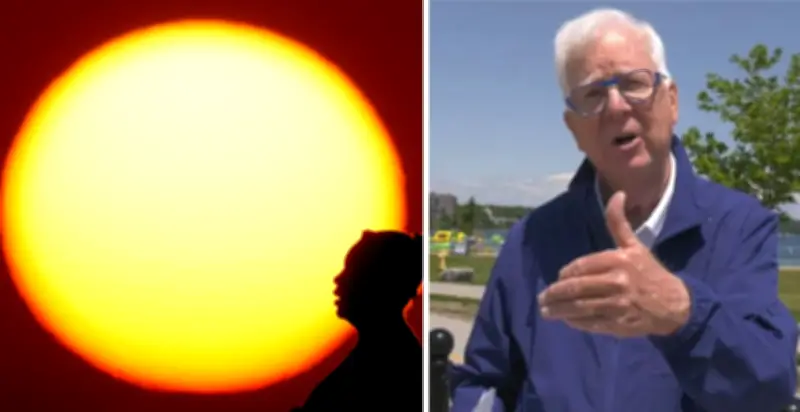
Climatologist Dave Phillips warns that a 'super' El Nino is developing, which could bring significant weather changes to Canada and the world. The phenomenon, characterized by warming of sea surface temperatures in the Pacific Ocean, is expected to influence global climate patterns over the next year.
What Is a Super El Nino?
El Nino occurs when sea surface temperatures in the central and eastern tropical Pacific rise above average. A 'super' El Nino refers to an exceptionally strong event, with temperatures exceeding 2°C above normal. According to Phillips, such events have historically led to extreme weather, including floods, droughts, and heatwaves.
Phillips notes that the current conditions resemble those preceding the 2015-2016 super El Nino, which was one of the strongest on record. That event contributed to global temperature records and widespread impacts, from coral bleaching to agricultural losses.

Impacts on Canada
For Canada, a super El Nino typically means milder winters in western and central regions, with less snow and warmer temperatures. However, it can also bring increased precipitation to parts of the country. Phillips emphasizes that while El Nino influences weather, it does not guarantee specific outcomes, as other factors like Arctic air masses also play a role.
He adds that the phenomenon could exacerbate drought conditions in some areas while increasing flood risks in others. For instance, British Columbia might see reduced snowpack, affecting water supplies and wildfire seasons.
Global Consequences
Globally, a super El Nino can disrupt weather patterns, leading to heavy rains in South America, droughts in Australia and Southeast Asia, and altered hurricane activity in the Atlantic. Phillips cautions that the event could amplify the effects of climate change, pushing global temperatures to new highs.
According to the World Meteorological Organization, El Nino events typically occur every two to seven years and last nine to twelve months. The current projection suggests the super El Nino could peak in late 2026 or early 2027.
Preparation and Monitoring
Phillips advises Canadians to stay informed through local forecasts and prepare for potential extremes, such as winter storms or heatwaves. He stresses the importance of monitoring updates from Environment Canada and international climate agencies.
As the event unfolds, researchers will track its evolution using satellite data and ocean buoys. The outcome will provide insights into how super El Ninos interact with long-term warming trends, helping communities adapt to future climate variability.