A new study published Tuesday finds that countries including Mexico and Italy now endure up to two more months of extreme heat stress each year than they did in the 1970s, underscoring the accelerating impact of climate change on human health and labor.
Study Details
Researchers analyzed global temperature and humidity data from 1979 to 2025, focusing on days when the heat index exceeded 32°C (90°F), a threshold linked to increased heat-related illnesses and reduced labor capacity. They found that tropical and subtropical regions have experienced the largest increases. Mexico, for instance, now sees roughly 60 additional days of heat stress annually, while Italy faces about 50 more days. Other affected countries include India, Bangladesh, and parts of the Middle East.
“The trend is clear: heat stress is expanding both in duration and intensity,” said lead author Dr. Elena Rossi, a climate scientist at the University of Milan. “This is not a future problem; it is happening now.”

Impact on Health and Economy
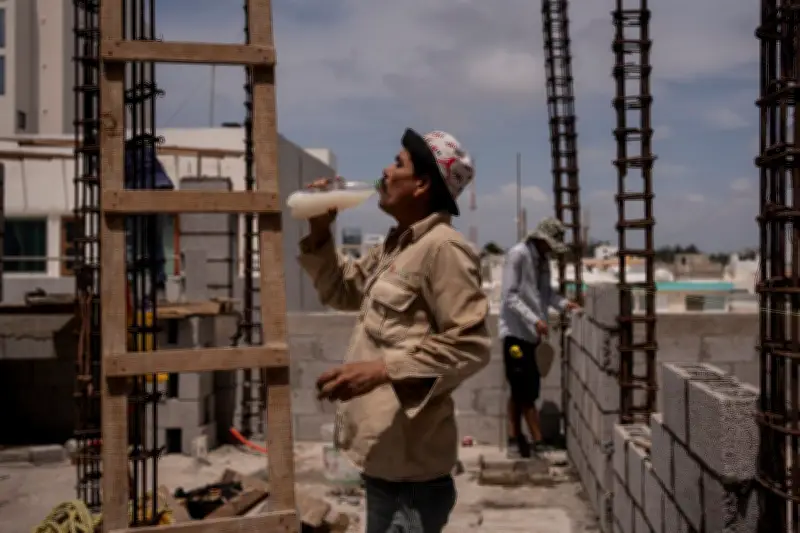
The study highlights that prolonged heat stress exacerbates health risks, particularly for outdoor workers and vulnerable populations. In Mexico, construction workers like Jorge Moreno, who was photographed drinking flavored water to cope during a heatwave in Veracruz in June 2024, represent millions facing daily danger. The economic toll includes lost productivity and increased healthcare costs.
“Our findings show that without significant emissions reductions, these trends will worsen, potentially making large parts of the world uninhabitable during summer months,” Rossi added.
Global Implications
The research comes amid a series of extreme weather events worldwide. In France, a red alert has been issued as a heatwave threatens to rewrite temperature records. The European Union is also considering reducing protections for bears as habitat pressures mount.
The study adds to a growing body of evidence that climate change is intensifying heat extremes, prompting calls for stronger adaptation measures, such as cooling centers, early warning systems, and changes to urban planning.