Saskatchewan's Public Safety Agency (SPSA) is preparing for the upcoming wildfire season as temperatures rise across the province, increasing risks for northern communities that experienced devastation last year. The agency highlighted that in 2025, 267 of 514 wildfires—58 percent—were classified as accidental and human-caused.
Early Recruitment and Aerial Fleet
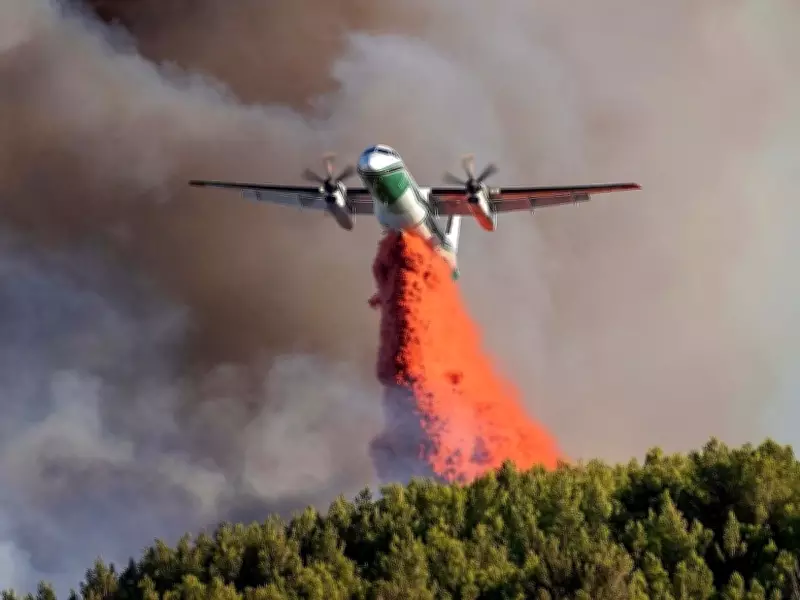
An SPSA spokesperson stated that the agency has been preparing for this year's wildfire season by recruiting fire personnel a month earlier than in previous years. The SPSA operates one of the largest aerial firefighting fleets in Canada, consisting of 17 aircraft strategically positioned across the province to ensure rapid response. However, there may be times when planes are temporarily removed from service for repairs, federally regulated inspections, or maintenance. In such cases, the SPSA will request additional aircraft through mutual aid agreements and compacts.
Current Fire Status and Bans
As of Wednesday, there was one active wildfire roughly 40 kilometres north of Meadow Lake. No provincial fire bans are currently in place, but municipalities and local authorities can issue their own bans. Residents are encouraged to consult the interactive fire ban map on the SPSA website.

Human-Caused Fire Prevention
The SPSA reminded the public that human-caused fires are preventable. In 2025, more than half of the province's wildfires were accidental and attributable to people. The agency advises avoiding tools that may cause sparks during dry conditions and properly disposing of cigarettes.
Political Response and Bill 609
Cumberland NDP MLA Jordan McPhail, speaking outside a Saskatoon fire hall on Wednesday, noted that northern Saskatchewan experienced one of the worst wildfire disasters in provincial history last year. He criticized the province for not passing the NDP's proposed Bill 609, which mandates consultations with local governments, Indigenous leaders, and community members, and calls for a wildfire report with statistics from 2025. McPhail emphasized the need for a strategy involving transparency and accountability.
In response, Community Safety Minister Michael Weger argued that Bill 609 would remove wildfire suppression responsibility from SPSA experts, adding red tape to a process that requires quick and responsive action during emergencies.
Impact on Northern Communities
Areas such as La Ronge, Pelican Narrows, Sandy Bay, and Creighton saw homes destroyed by wildfires last year. McPhail stressed the importance of incorporating local leadership in fire operations, noting that northern chiefs and leaders had valuable knowledge of the terrain that could enhance wildfire fighting efforts.