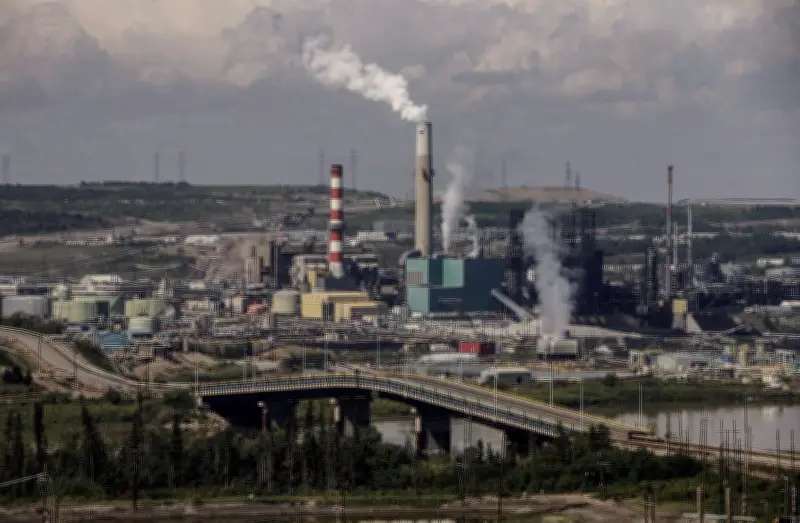
The downward trend in emissions intensity from Canada's oilsands continues, according to a new report by S&P Global Energy. The analysis shows that greenhouse gas emissions per barrel of oil produced have fallen by 30% since 2012, reflecting ongoing improvements in technology and operational efficiency.
Key Findings from S&P Global Report
The report highlights that emissions intensity—the amount of CO2 emitted per barrel of crude—has decreased consistently over the past decade. In 2025, the average intensity was 65 kilograms of CO2 per barrel, down from 93 kg in 2012. This decline is attributed to advancements in solvent-assisted extraction, cogeneration of heat and power, and reduced flaring.
“The oilsands industry has made significant strides in lowering its carbon footprint per unit of output,” said Kevin Birn, chief analyst at S&P Global Commodity Insights. “These improvements are a result of both regulatory pressure and voluntary investments in cleaner technologies.”

Industry-Wide Adoption of Cleaner Methods
Major producers like Suncor Energy, Canadian Natural Resources, and Cenovus Energy have implemented measures such as using solvents to reduce steam consumption in thermal operations and upgrading cogeneration facilities. In-situ operations, which account for about 60% of oilsands production, saw a 35% drop in intensity since 2012.
Mining operations, including Suncor's base plant near Fort McMurray, have also reduced emissions by 20% over the same period through better energy management and equipment upgrades. The report notes that overall absolute emissions from the oilsands have remained relatively flat despite a 40% increase in production since 2012, underscoring the intensity improvements.
Global Context and Future Outlook
Canada's oilsands remain among the most carbon-intensive crude sources globally, but the rate of improvement is outpacing many other heavy oil producers. S&P Global projects that emissions intensity could fall another 15-20% by 2030 if current trends continue and new technologies like carbon capture and storage are deployed at scale.
The report comes as the federal government pushes for a net-zero emissions target by 2050, with oilsands companies aiming for net-zero operations by 2050 through a $16.5 billion carbon capture network. Environmental groups acknowledge the intensity reduction but stress that absolute emissions must decline to meet climate goals.