Heat Waves Leading to Damaging Droughts Are Becoming More Frequent, Research Shows
A recent scientific study has uncovered a troubling trend: heat waves that ignite damaging droughts are happening with increasing frequency across the globe. This escalation poses severe risks to water resources, agricultural productivity, and human settlements, amplifying the challenges of climate adaptation.
Key Findings from the Research
The study, conducted by an international team of climate scientists, analyzed decades of meteorological data to track the occurrence of extreme heat events linked to drought conditions. Researchers found that the intervals between such events have shortened significantly in many regions, indicating a shift toward more persistent and intense dry spells.
Primary drivers include rising global temperatures due to greenhouse gas emissions, which exacerbate evaporation rates and soil moisture loss. The research highlights that these compounded heat-drought cycles are not isolated incidents but part of a broader pattern of climate disruption.

Impacts on Communities and Ecosystems
The consequences of more frequent drought-inducing heat waves are far-reaching. Agricultural sectors face reduced crop yields and livestock stress, threatening food security. Urban areas grapple with water shortages and increased energy demands for cooling, while natural ecosystems suffer biodiversity loss and heightened wildfire risks.
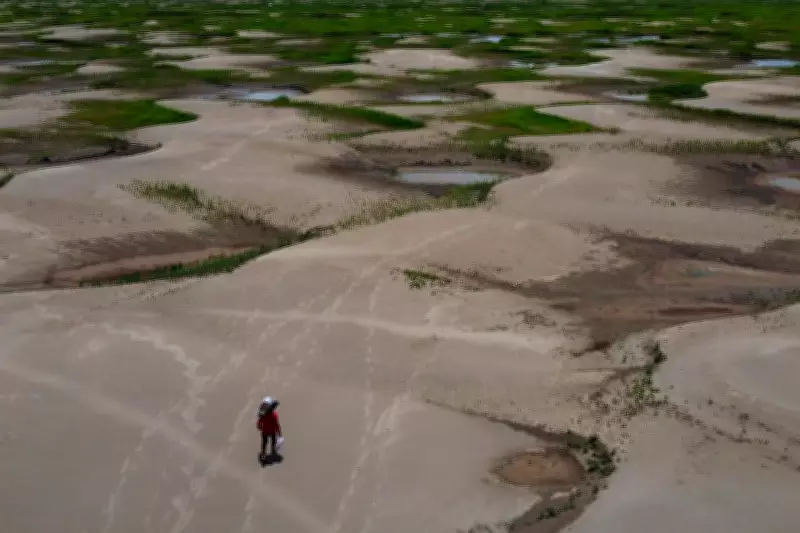
For instance, the study references regions like the Amazon, where communities have already experienced severe droughts, leading to water distribution efforts and economic strain. Such examples underscore the urgent need for proactive measures to mitigate these effects.
Broader Climate Context and Future Projections
This research aligns with other climate studies warning of intensified weather extremes under ongoing global warming. Scientists project that without substantial reductions in carbon emissions, the frequency and severity of these heat-drought events will continue to climb, potentially leading to irreversible environmental damage.
Policy implications are clear: enhancing water management strategies, investing in drought-resistant infrastructure, and accelerating climate action are critical to building resilience. The study serves as a stark reminder of the interconnectedness of heat waves and droughts in shaping our planet's future.