Climate Inequality: Heat Risk Gap Widens Between Rich and Poor Nations
Canadian climate scientists have returned from an Antarctic research expedition with sobering findings about the unequal distribution of future heat dangers across the globe. Their research reveals that wealthy nations and developing countries face dramatically different climate risks as global temperatures continue to rise.
Antarctic Expedition Reveals Accelerating Changes
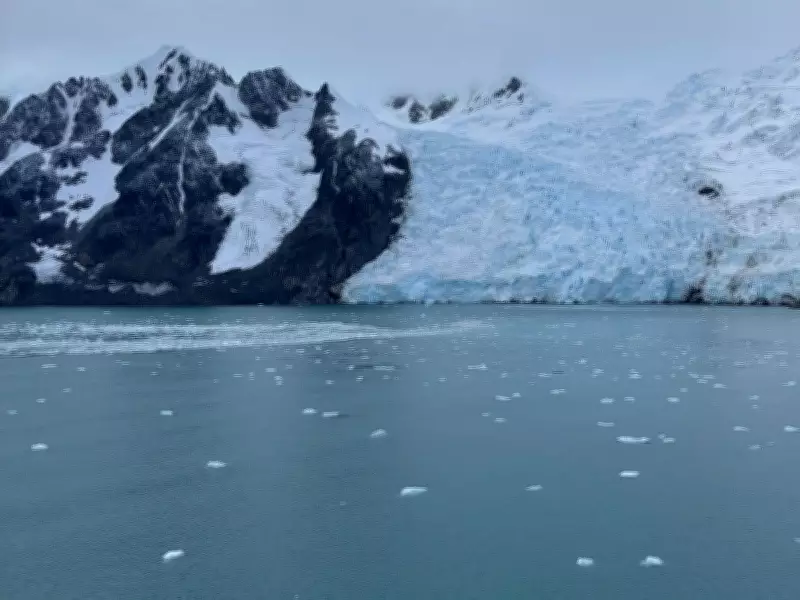
Researchers aboard the icebreaker Almirante Viel, designed in Canada and built in Chile, documented significant glacier retreat in Antarctica during their recent expedition. British Columbia scientists participating in the mission observed visible evidence of climate impacts that align with global warming patterns documented by international scientific bodies.
The United Nations Intergovernmental Panel on Climate Change has consistently identified human activities—particularly fossil fuel combustion and intensive livestock farming—as primary drivers of climate change. These activities increase heat-trapping greenhouse gases in Earth's atmosphere, elevating global surface temperatures with profound consequences.

Stark Disparities in Future Heat Danger
The research highlights how future heat dangers will affect nations unequally. Wealthier countries with greater resources for adaptation and infrastructure development face different challenges than poorer nations with limited capacity to respond to extreme heat events. This disparity represents a critical dimension of climate justice that scientists say must inform global policy responses.
According to NASA climate scientists, human activities have increased atmospheric carbon dioxide concentrations by 50 percent in less than two centuries. "There is unequivocal evidence that Earth is warming at an unprecedented rate," their research confirms.
Record-Breaking Climate Indicators
Current atmospheric measurements reveal alarming trends:
- Carbon dioxide levels reached 429.35 parts per million as of March 5, 2026, up from 428.62 ppm the previous month
- This represents a steady increase from under 320 ppm recorded in 1960
- June 2025 saw global CO2 concentrations exceed 430 ppm, setting a new record high
The global scientific consensus maintains that climate warming is occurring and that human activities are the primary cause. The UN panel has issued a code red for humanity, warning that the window to limit warming to 1.5°C above pre-industrial levels is rapidly closing.
Temperature Records and Future Projections
- The global average temperature reached 1.48°C above pre-industrial levels in 2023
- 2024 breached the 1.5°C threshold at 1.55°C above pre-industrial averages
- 2025 marked the third warmest year on record after 2024 and 2023
- These represent the 11th consecutive warmest years in recorded history
Human activities have raised atmospheric CO2 concentrations by nearly 49 percent above pre-industrial levels since 1850. Current trajectories suggest the world is not on track to meet Paris Agreement targets to limit warming to 1.5°C.
The UN Environment Programme's 2025 Emissions Gap Report indicates that even if countries meet their current emissions targets, global temperatures could still rise by 2.3°C to 2.5°C this century. Such increases would trigger severe consequences including sea level rise, intensified droughts, more frequent heat waves, and increased wildfire activity.
Regional Impacts and Scientific Warnings
Scientists from British Columbia participating in the Antarctic research have warned that climate emergencies like the province's deadly 2021 heat dome and catastrophic flooding will become more frequent and intense. The international panel of researchers has documented how wildfires and severe weather events are increasing in both frequency and severity due to climate change.
As climate scientists continue monitoring these developments, their research underscores the urgent need for global cooperation to address both emissions reduction and adaptation strategies that account for the unequal distribution of climate risks between wealthy and developing nations.