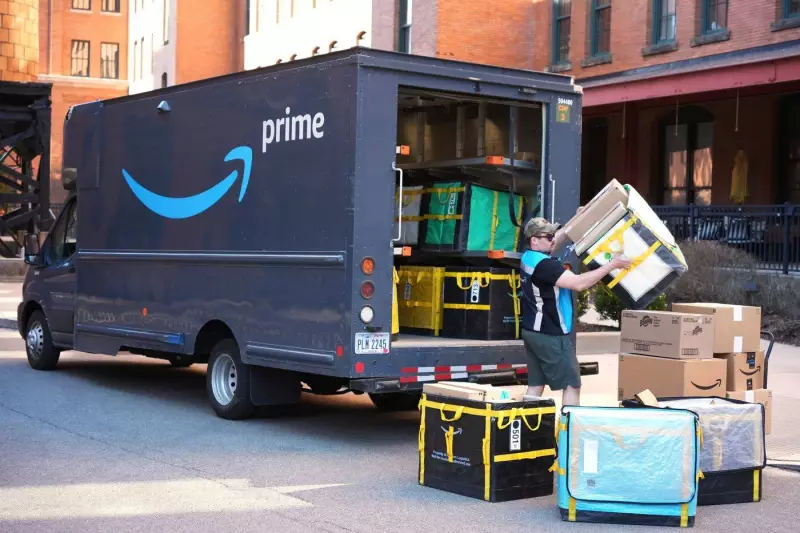
The convenience of next-day or even same-day delivery comes with a significant environmental price tag. A growing body of evidence indicates that the relentless consumer demand for speedier shipping is directly contributing to higher greenhouse gas emissions, turning the logistics network into a major pollution source.
The Environmental Impact of Expedited Logistics
To meet promises of ultra-fast delivery, companies are often forced to prioritize speed over efficiency. This means trucks and vans are dispatched before they are fully loaded, leading to more vehicles on the road completing fewer deliveries per trip. This shift from consolidated, planned routes to fragmented, urgent deliveries drastically increases the carbon footprint of each package. The model relies on a sprawling network of warehouses and distribution centers located closer to urban areas, which can also contribute to local emissions and traffic congestion.
The problem is compounded during peak shopping periods, such as the holiday season. With retail spending in Canada projected to rise, the strain on delivery systems intensifies. The push for speed undermines the potential environmental benefits of online shopping, such as reducing individual car trips to stores, when delivery vehicles are making countless, inefficient journeys.

Why the System is Struggling to Go Green
While some companies are investing in electric delivery vehicles and other green technologies, the pace of this transition is not keeping up with the explosive growth in demand for fast shipping. The economic model of e-commerce giants is built on speed as a competitive advantage, creating a powerful incentive to maintain the status quo. Consumers, accustomed to the immediacy, often choose the fastest shipping option without considering its environmental consequence, a choice that is rarely presented with information about its carbon cost.
Furthermore, the rise of free shipping promotions and membership programs that offer unlimited fast delivery has normalized this high-emission behavior. The true environmental cost is externalized, hidden from the final purchase price and the consumer's immediate view.
Looking for Solutions and Consumer Choices
Addressing this issue requires action from both corporations and consumers. On the corporate side, optimizing delivery algorithms for efficiency rather than pure speed, consolidating shipments, and accelerating the electrification of fleets are critical steps. Transparency is also key; some experts advocate for a carbon rating on delivery options, allowing shoppers to make an informed choice.
For consumers, the most effective action is to simply slow down. Choosing standard shipping over expedited, whenever possible, allows companies to consolidate packages and plan more efficient routes. Grouping purchases into fewer, larger orders rather than multiple small ones can also significantly reduce the number of trips required. As awareness grows, public pressure can push retailers to prioritize and invest in genuinely sustainable logistics solutions over mere speed.
The challenge is clear: the culture of instant gratification in online shopping is on a collision course with climate goals. Reconciling consumer demand with environmental responsibility will be one of the defining logistics challenges of the coming decade.