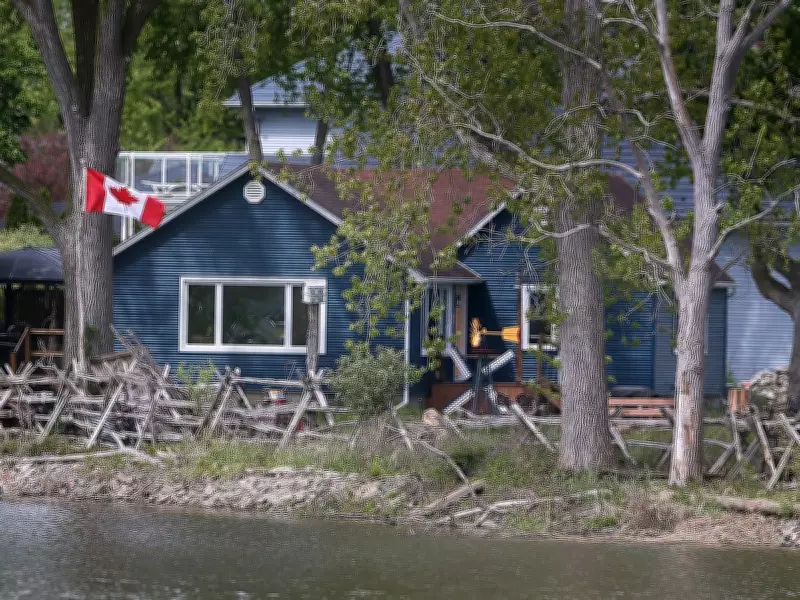
The head of the Essex Region Conservation Authority (ERCA) has expressed grave concerns that Ontario's planned merger of conservation authorities could halt shoreline development in Windsor-Essex. Tim Byrne, ERCA's chief administrative officer, warned that a one-size-fits-all approach to prohibiting shoreline development would fail in the region, where most waterfront properties are already developed.
Tailored Policies Needed for Windsor-Essex
Speaking to Windsor city council on Monday, Byrne, a 41-year veteran of the local conservation authority, explained that while shoreline development is generally prohibited across Ontario, ERCA has historically tailored its policies to accommodate reconstruction in Windsor and Essex County. This is because the area's waterfront is largely developed, unlike much of the province's undeveloped Great Lakes shoreline.
"Our needs here are different than they are in many other regions of the province," Byrne said. He argued that a uniform prohibition on new development in flood-prone areas would force existing homes along Riverside Drive and other waterfront areas to comply with rules designed for undeveloped regions.

Merger Creates Western Lake Erie Regional Conservation Authority
Under the Doug Ford government's plan, the number of conservation authorities in Ontario will be reduced from 36 to nine. ERCA will merge with the Upper Thames River, Lower Thames Valley, and St. Clair Region conservation authorities to form the Western Lake Erie Regional Conservation Authority.
Byrne told reporters he has "grave concern" about how new provincial guidelines around shoreline development would apply locally. Under provincial rules, structural modifications to homes built roughly 60 years ago or more are considered new construction. This includes upgrades to cottages now used as primary residences, which homeowners are trying to bring up to Ontario Building Code standards.
Redevelopment vs. Prohibition
Byrne noted that converting older homes into new developments conflicts with Ontario's Planning Act and Provincial Policy Statement, which govern land use. "We've always been a bit of an outlier when trying to deal with some developments," he said. While some shoreline developments are too low-lying and close to the water to be replaced, the majority of shoreline properties would support redevelopment.
Questions remain about how the new conservation authority will be governed and how funding from member municipalities will be distributed. Ward 9 Coun. Kieran McKenzie, who sits on ERCA's board of directors, said the provincial government likely does not yet have answers to these questions.