Canada's natural environment is fundamental to the well-being of its citizens. Clean air, safe drinking water, and the awe-inspiring landscapes are deeply cherished. A recent survey underscores this connection, revealing that 81 per cent of respondents view nature loss as eroding the national identity.
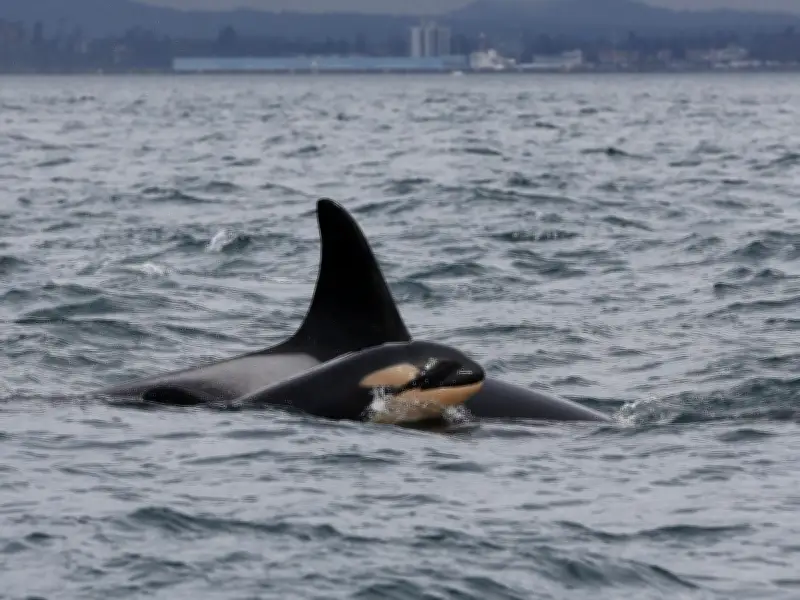
However, the federal government is now proposing to weaken environmental protections in the name of national interest. This proposal would allow major projects to be fast-tracked, even those that could drive species to extinction. For instance, the iconic southern resident killer whale may face doom if such projects proceed unchecked.
The Economic Value of Nature
Functioning ecosystems are not just vital for the environment; they are also key to Canada's economy. The great outdoors drive tourism, a fast-growing sector that generates $130 billion in visitor spending and supports one in ten jobs. Additionally, Canada's fish and seafood industry contributed $4.6 billion to the GDP in 2023, underpinning economic stability in coastal communities.

Despite these benefits, Canada faces a biodiversity crisis. Human impacts on nature are so dominant that we have entered a new geological epoch—the Anthropocene—and are experiencing the first mass extinction since the dinosaurs. Wildlife declines are often linked to habitat degradation from industrial expansion, such as forest harvest and oil extraction affecting woodland caribou. Fossil fuel-driven climate change further exacerbates impacts on species like polar bears in the Arctic.
At-Risk Species and Existing Protections
The number of impacted species in Canada is vast. The Committee on the Status of Endangered Wildlife in Canada has assessed that 379 species face imminent risk of disappearing from Canada, and 203 more are likely to face the same fate without protections.
Canada has important laws to protect the environment, including the Species at Risk Act, which requires recovery strategies for at-risk wildlife and limits harmful industrial activities. The Fisheries Act protects fish habitats and regulates fisheries, while the Impact Assessment Act evaluates how major projects like pipelines and nuclear facilities affect the environment, local health, and Indigenous rights.
Insufficient Policies and Wrong Direction
While these laws are pillars of conservation, current policies are insufficient to reverse biodiversity trends. For example, the Species at Risk Act only covers aquatic species, migratory birds, and animals on federally managed land, leaving most at-risk species to inadequate provincial legislation.
Rather than improving these laws, the government's recent proposal seeks to dismantle the few safeguards in place. This goes against what most Canadians value and risks further harm to nature and the economy.
As researchers studying how human activities affect animals and their environments, we are deeply concerned. The proposal to fast-track major projects could lead to irreversible damage, threatening species like the southern resident killer whale and undermining Canada's national interest.