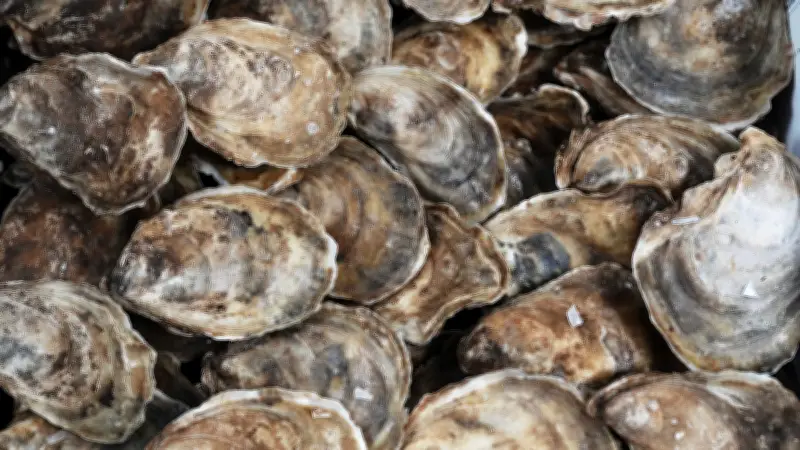
A recent study has found that climate change is facilitating the spread of bacteria that are harmful to oysters, reaching the waters of Atlantic Canada. This development poses a significant threat to the region's aquaculture industry and the health of marine ecosystems.
Study Findings
Researchers have identified that rising sea temperatures are creating favorable conditions for bacteria, particularly from the Vibrio family, to thrive in areas where they were previously uncommon. These bacteria can cause diseases in oysters, leading to mass die-offs and economic losses for shellfish farmers.
Impact on Aquaculture
The Atlantic Canada oyster industry, valued at millions of dollars, is now at risk. Farmers may need to adapt by monitoring water temperatures more closely and implementing new management practices to mitigate the spread of these pathogens.

Broader Implications
This study underscores the wider consequences of climate change on marine life and food security. As ocean temperatures continue to rise, similar shifts in pathogen distribution are expected globally, affecting not only oysters but other seafood species.
Experts call for increased research and collaboration between scientists, policymakers, and industry stakeholders to address these emerging threats. The findings highlight the urgent need for climate action to protect coastal economies and ecosystems.