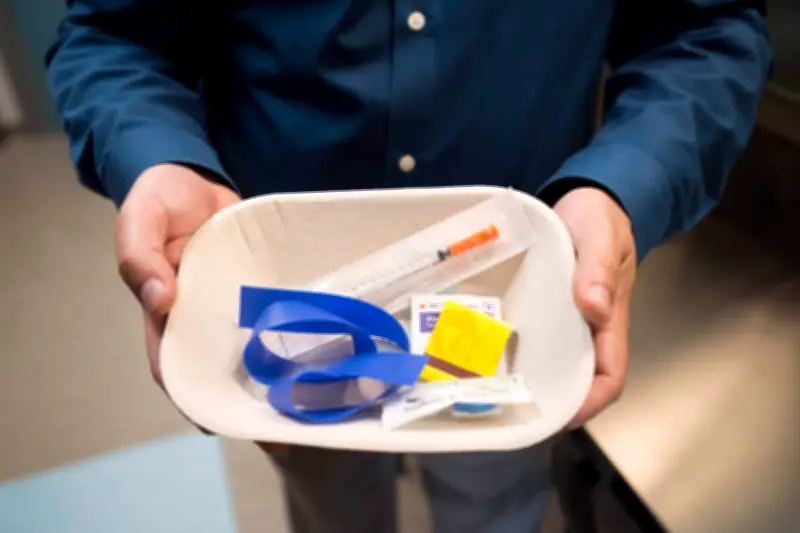
A new national study suggests Canadians generally view supervised consumption sites as beneficial and do not believe they have negative effects. The survey, conducted by researchers from the University of British Columbia and published in the Canadian Journal of Public Health, polled 2,000 adults across the country in May 2026.
Key Findings on Public Perception
According to the study, 72% of respondents agreed that supervised consumption sites reduce the risk of overdose deaths, while 68% said they help connect people with addiction treatment services. Only 18% believed the sites lead to increased crime or drug use in surrounding neighborhoods. The findings challenge common criticisms that such facilities harm communities.
“The results show that Canadians recognize the public health benefits of these sites,” said Dr. Sarah Thompson, lead author of the study. “Despite political debates, the majority see them as a practical tool for saving lives.”

Regional and Demographic Variations
Support was highest in British Columbia (78%) and Ontario (74%), where most existing sites are located. Prairie provinces showed lower support at 62%, but still a majority. Younger Canadians (18-34) were more likely to support the sites (81%) compared to those over 65 (58%).
The study also found that respondents who knew someone affected by addiction were 15% more likely to view the sites positively. This suggests personal experience shapes opinions more than political affiliation.
Implications for Policy
With over 40,000 opioid-related deaths in Canada since 2016, supervised consumption sites remain a controversial policy. The study’s authors argue that public opinion aligns with evidence-based harm reduction. “Policymakers should consider these findings when debating expansions or closures,” Thompson added.
The research comes as several provinces review their overdose prevention strategies, with some municipalities considering new sites. The study provides a snapshot of Canadian attitudes that could influence future decisions.