Enhanced Government Coordination Key to B.C.'s Wildfire Resilience Strategy
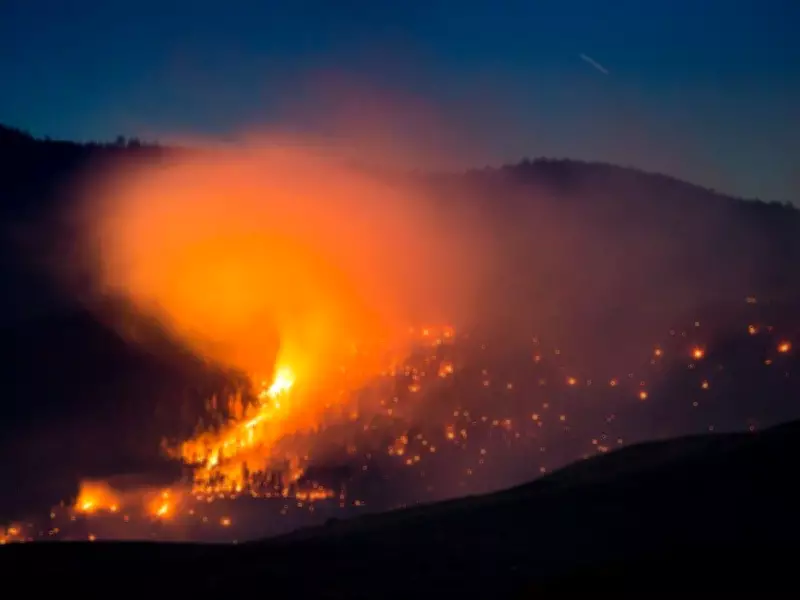
As winter persists, wildfire concerns remain at the forefront for many British Columbians. Recent high-profile events, including the inaugural National Wildfire Symposium in Vancouver hosted by B.C. Minister of Forests Ravi Parmer in early December and discussions at the 23rd B.C. Natural Resources Forum in Prince George in late January, have highlighted the urgent need for improved strategies.
A Coast-to-Coast Challenge
Dialogue from these gatherings has made it abundantly clear that wildfires represent a nationwide challenge stretching from coast to coast to coast. Provincial and territorial resources have been pushed to their limits, with many now looking to the federal government for enhanced leadership and substantial additional investments. The forum reinforced this theme through dedicated panels on partnerships aimed at reducing wildfire risk, underscoring that wildfire management has become a major fiscal priority for British Columbia and indeed the entire country each year.
The Escalating Impact Since 2017
Since 2017—a significant turning point for wildfires in British Columbia—the consequences have intensified dramatically. This shift in wildfire patterns has led to:

- Economic strain with $5 billion spent on direct wildfire response between 2017 and 2025, and future costs projected to increase.
- Human displacement affecting more than 389,000 people placed on wildfire alert or evacuation orders between 2021 and 2025.
- Secondary hazards including smoke exposure and post-fire events like landslides, debris flows, and floods that threaten communities, waterways, and drinking water sources.
- Financial burden on homeowners through significantly increased insurance premiums, with one study revealing a doubling of rates in a B.C. city within just two years.
- Ecological damage with 59 percent of species and ecosystems at risk located in areas classified as having moderate or higher wildfire risk.
A New Approach to Government Spending
What if British Columbia's provincial government could allocate available funds more effectively to maintain wildfire suppression, enhance prevention capabilities, and support beneficial fires as essential ecological functions? Simultaneously, could they improve at identifying cross-government areas for new investments to bolster wildfire resilience?
This is precisely the focus of a new report published by the POLIS wildfire resilience project at the University of Victoria's Centre for Global Studies. The report argues that by pursuing more dedicated and strategically focused cross-government integration and improved collaboration, the provincial government can leverage capacity—both within and external to government—and achieve long-term cost savings.
Moving Beyond Historical Models
While many transitions toward more integrated responsibilities around wildfire resilience are occurring informally, such as deputy ministers from various ministries convening on the topic, the fundamental historical governmental alignment to wildfire remains primarily focused on managing past realities. In this outdated model, the Forests Ministry stands at the center, with other ministries reacting and interacting to varying degrees, often in crisis-response modes rather than sufficiently prioritizing prevention and preparedness.
The report emphasizes that as the climate crisis deepens, British Columbia must evolve beyond reactive measures. Enhanced coordination across government departments could transform how wildfire challenges are addressed, ensuring that every dollar spent contributes to a more resilient future for communities, ecosystems, and the economy.