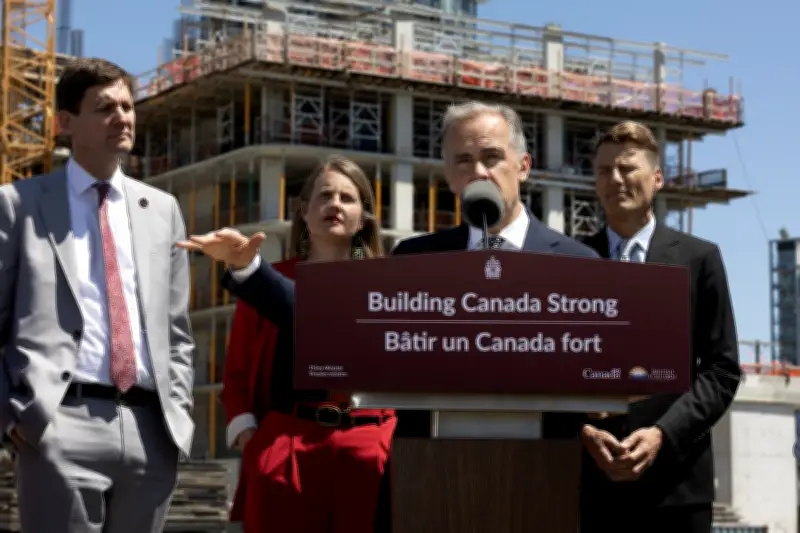
British Columbia Premier David Eby announced a multibillion-dollar memorandum of understanding (MOU) with the federal government that retains the northern tanker ban, a key environmental safeguard for the province's coastline. The agreement, unveiled during a joint press conference in Vancouver on July 2, 2026, includes federal contributions of up to $3 billion to replace the aging George Massey Tunnel, among other infrastructure investments.
Key terms of the MOU
The MOU locks in the federal government's commitment to maintain the moratorium on crude oil tanker traffic along B.C.'s northern coast, a policy first introduced in 2016 and later codified into law. Premier Eby emphasized that the ban is non-negotiable, stating, "The northern tanker ban protects our coastal communities and marine ecosystems from the risk of a catastrophic oil spill. This MOU ensures that protection remains in place for generations to come." In exchange, the federal government will provide significant funding for transportation and housing projects, including the Massey Tunnel replacement, which has been a long-standing priority for the province.
Infrastructure and housing commitments
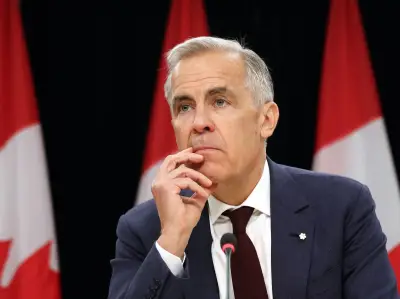
Prime Minister Mark Carney, who attended the announcement alongside federal Housing Minister Gregor Robertson and B.C. Housing Minister Christine Boyle, outlined the financial commitments. "We are investing up to $3 billion to replace the Massey Tunnel, which will reduce congestion and improve safety for commuters," Carney said. The funding is part of a broader federal strategy to support B.C.'s economic growth while aligning with environmental goals. The MOU also includes provisions for affordable housing projects, though specific dollar amounts for those initiatives were not disclosed at the event.

Political and environmental context
The announcement comes amid ongoing debates over resource development and environmental protection in British Columbia. The northern tanker ban has been a contentious issue, with Indigenous groups and environmental organizations praising it as a vital measure, while some industry advocates argue it stifles economic opportunities. The MOU aims to balance these interests by directing federal funds toward infrastructure that supports both economic activity and environmental stewardship. According to the premier's office, the agreement reflects a collaborative approach between the provincial and federal governments, building on prior partnerships such as the $1.2 billion deal for transit funding signed earlier this year.
Reactions from stakeholders
Environmental groups welcomed the retention of the tanker ban. "This is a win for the coast and for communities that have long fought to protect their waters from oil spills," said a spokesperson for the Pacific Coast Environmental Alliance. Meanwhile, the B.C. Chamber of Commerce expressed cautious optimism, noting that the infrastructure investments could boost economic activity. "We are pleased to see federal funding for critical projects like the Massey Tunnel, which will improve trade corridors and create jobs," said chamber president Fiona Ellis. The MOU is expected to be formalized through a series of bilateral agreements over the coming months, with implementation details to be released as they are finalized.