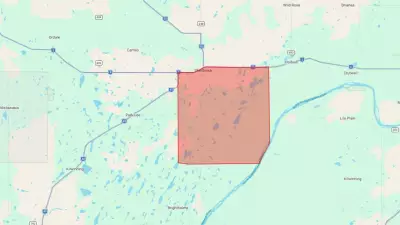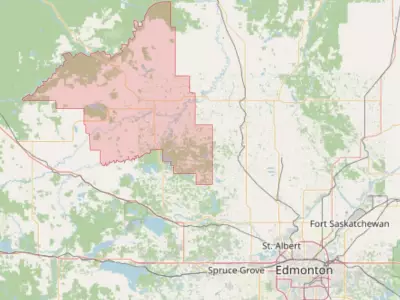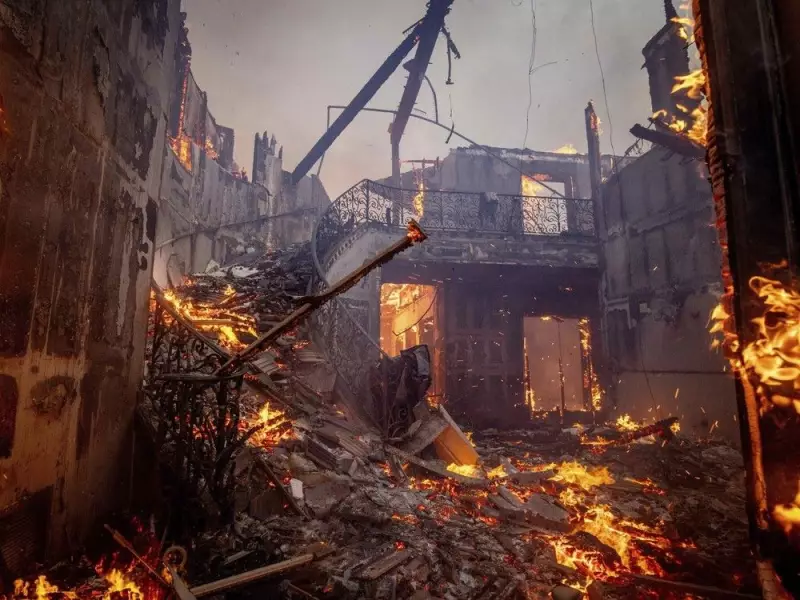
As 2025 draws to a close, a stark reality confronts British Columbia and the world: the escalating financial and human toll of climate breakdown. Recent analysis confirms that wildfires, floods, and cyclones impacting B.C. this year rank among the planet's most costly climate-related disasters.
The High Cost of a Warming World
This week's climate news underscores the severe economic impacts now tied directly to environmental change. Catastrophic events like wildfires and unprecedented flooding in British Columbia have resulted in billions of dollars in damages, placing them prominently on the global list of expensive disasters for 2025. This trend aligns with decades of warnings from the United Nations Intergovernmental Panel on Climate Change (IPCC), which includes scientists from B.C.
The panel has consistently stated that human activities, primarily the burning of fossil fuels and intensive livestock farming, are the dominant force driving climate change. These actions increase heat-trapping greenhouse gases in Earth's atmosphere, raising global surface temperatures and making extreme weather events more frequent and intense.

Local Threats and Global Warnings
Beyond large-scale disasters, local ecological threats are emerging. In B.C., invasive fish species introduced into Cultus Lake now pose a serious risk to native salmon populations, highlighting the interconnected crises of biodiversity loss and climate change. On the policy front, the Canadian federal government is set to reveal the future of its electric vehicle (EV) mandate in 2026, a key piece of the puzzle in reducing transportation emissions.
The scientific data painting this picture is unequivocal. NASA climate scientists report that human activity has increased atmospheric carbon dioxide by 50% in under two centuries, driving unprecedented planetary warming. Measurements from the National Oceanic and Atmospheric Administration (NOAA) at Hawaii's Mauna Loa Observatory show carbon dioxide levels reached 426.46 parts per million (ppm) as of December 5, 2025, a steady climb from under 320 ppm in the 1960s.
Climate Change by the Numbers
The current state of the climate emergency is captured in several critical facts:
- The Earth is approximately 1.3°C warmer than in pre-industrial times.
- 2024 was the hottest year on record globally, surpassing 2023, with the global average temperature breaching the critical 1.5°C threshold at 1.55°C above pre-industrial levels.
- The past decade (2015-2024) stands as the ten warmest years ever recorded.
- The world is not on track to meet the Paris Agreement goal of limiting warming to 1.5°C, a threshold meant to avoid the worst impacts.
- On the current emissions path, global temperatures could rise by as much as 3.6°C this century.
The IPCC has issued a code red for humanity, warning that the window to avert the most catastrophic outcomes is rapidly closing. The evidence from B.C.'s deadly 2021 heat dome and catastrophic floods, now echoed in 2025's devastating disasters, provides a local testament to this global crisis. The call for accelerated action has never been more urgent, as communities face both immediate recovery and the long-term challenge of building resilience in a changing climate.