Monsoon Death Toll Rises to 50 in Bangladesh
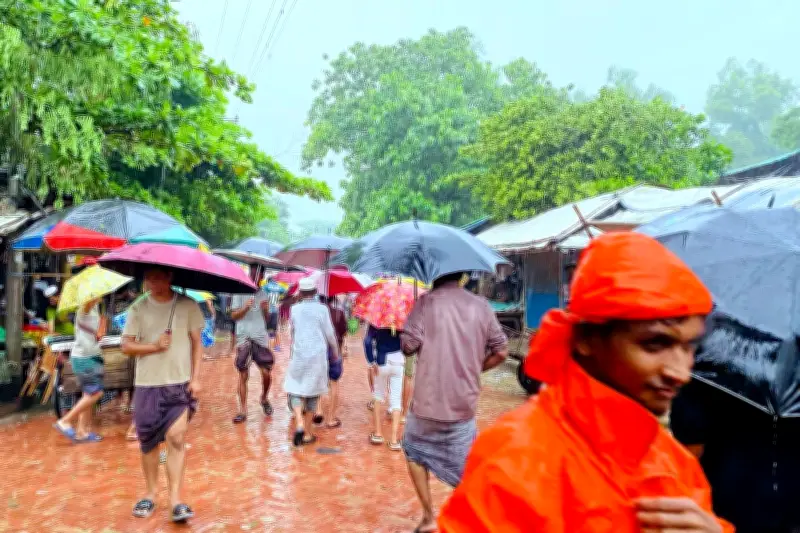
At least 50 people have been killed and thousands displaced as monsoon rains continue to batter Bangladesh, according to disaster management officials. The heavy downpours have triggered widespread flooding and landslides across the low-lying nation, affecting millions.
Thousands Forced from Homes
The floods have inundated vast areas, forcing residents to flee to higher ground. Authorities report that over 200,000 people have been displaced, with many taking shelter in temporary relief camps. The worst-affected regions include the southeastern districts of Cox's Bazar and Chittagong, where landslides have buried homes and blocked roads.
“We have never seen such intense rainfall in such a short period,” said a local disaster official. “Rescue operations are ongoing, but many areas remain inaccessible.”

Rohingya Refugee Camps Hit Hard
The Rohingya refugee camps in Cox's Bazar, home to nearly a million refugees, have been severely impacted. Reports indicate that at least 10 refugees have died, and thousands of shelters have been damaged or destroyed. The UN refugee agency expressed deep concern, stating that the monsoon season is exacerbating an already dire humanitarian situation.
“The refugees are extremely vulnerable to these floods,” said a UNHCR spokesperson. “We are providing emergency assistance, but the scale of the disaster is overwhelming.”
Government Response and Challenges
The Bangladeshi government has deployed military and disaster response teams to assist in rescue and relief efforts. However, the ongoing pandemic and limited resources pose significant challenges. Many roads and bridges have been washed away, complicating the delivery of aid.
Prime Minister Sheikh Hasina has pledged support for the affected communities, urging international partners to provide assistance. The government has also opened thousands of shelters and distributed food and medical supplies.
Climate Change Link
Experts warn that climate change is intensifying monsoon rains, making such extreme weather events more frequent and severe. Bangladesh, one of the most climate-vulnerable countries, faces increasing risks from rising sea levels and erratic weather patterns.
“This is a wake-up call for the world,” said a climate scientist at the University of Dhaka. “Bangladesh is on the frontlines of climate change, and we need urgent global action to mitigate its impacts.”