Willow Catkins Emerge in Alberta Foothills as Early Signs of Renewal
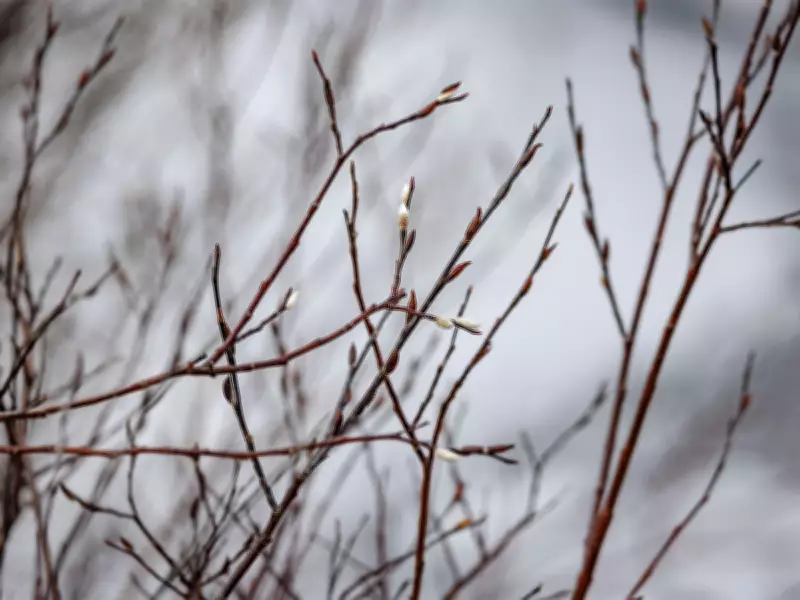
Those familiar fuzzy faces are beginning to appear across the landscape. Along Pocaterra Creek west of Calgary, Alberta, the first willow catkins of the year have started to emerge, signaling the earliest botanical renewal of the new year. These delicate structures, often called pussy willows, represent nature's first floral offerings even before spring officially arrives.
Scouting for Early Blooms
While willow catkins can be found wherever willow species grow throughout southern Alberta, particularly among red-stemmed varieties, the foothills region west of Calgary offers particularly favorable conditions. Numerous small streams and seasonal waterways create ideal habitats for willows, especially where beaver activity has created dammed areas that support lush growth.
The initial catkins were relatively easy to spot while driving along gravel roads parallel to major highways. Their bright white coloration made them stand out against the winter landscape, though their numbers remained sparse in early February. This scarcity prompted further exploration into areas known for more abundant willow populations.

Alberta's Diverse Willow Species
Southern Alberta hosts numerous willow varieties, each adapted to specific environmental conditions:
- Diamond willows thrive in drier foothill areas with damp soil but no flowing water, characterized by thick trunks and spreading branches
- Sandbar willows prefer riverbanks and stream edges where silt deposits accumulate during seasonal runoff
- Red willows flourish in beaver meadows and similar wetland environments, typically blooming earlier than other varieties
Across Alberta, approximately 60 different willow species exist, ranging from shrub-like forms to trees that rival prairie cottonwoods in size. Despite their diversity, all willow species produce catkins as their reproductive structures.
Wildlife Encounters During the Search
The quest for emerging catkins revealed more than just botanical interest. Near Jumpingpound Creek, approximately 20 mule deer were observed grazing on slopes made accessible by minimal snow cover. Willows and balsam poplars lined the ridge above them, though catkins remained elusive even through telephoto lenses.
Further exploration near beaver ponds revealed additional wildlife activity. While suitable red willows grew across dammed areas, attention shifted to a nearby field where a young bald eagle was feeding on a carcass. The eagle faced persistent harassment from ravens and magpies, with the magpies employing stealthy ground approaches while ravens demonstrated more aggressive aerial tactics.
Ecological Significance of Early Blooms
The emergence of willow catkins represents more than just visual interest for nature enthusiasts. These early blooms serve as important indicators of seasonal transition and provide early-season resources for pollinators and other wildlife. Their appearance in February, while winter conditions persist, demonstrates the resilience of native plant species and their adaptation to Alberta's variable climate patterns.
As the catkins continue to develop through late winter and early spring, they will transform from fuzzy white structures to more mature reproductive organs, playing their role in the annual cycle of growth and renewal that defines Alberta's natural landscapes.