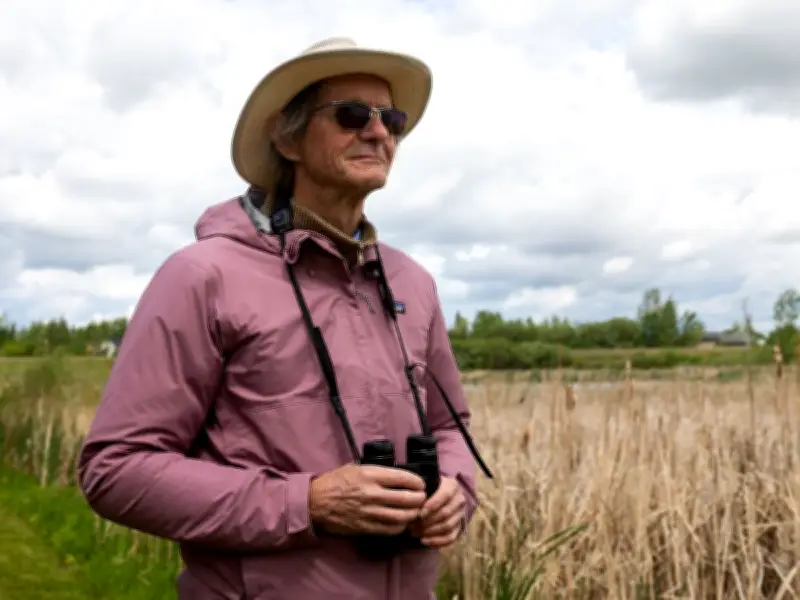
White Butte Museum has expanded its interpretive, self-guided walking tour to highlight the importance of wetlands in the region, in collaboration with the Town of White City and local biologist Dale Hjertaas.
New Wetland Expansion
Following a scenic path near Motherwell Drive in White City, the expansion adds three stops marked by new signs, each highlighting the ecosystem's animals, plants, and sustenance. Lisa Williams, the museum's executive director, explained that the museum aims to showcase the beauty, nature, and history of the area.
Each sign includes a QR code linking to the museum's website for more in-depth information about what visitors are observing.

Ecomuseum Concept
The White Butte Museum encompasses the communities of White City and Pilot Butte, along with rural municipalities outside Regina, combining nature and history into an "ecomuseum." Williams described an ecomuseum as taking people into their community to show them what is special, what species exist, and the function of what they are viewing.
Collaborating with biologist and conservationist Dale Hjertaas, the project uses expert knowledge to answer environmental questions.
Importance of Wetlands
Hjertaas noted that the productivity and abundance of wetlands are unique to Alberta, Manitoba, and Saskatchewan, calling it a pothole region that is home to 80 percent of the ducks in North America. Wetlands are among the most important ecosystems in Saskatchewan, balancing local temperatures, improving water quality, and supporting abundant wildlife.
"I think wetlands are underappreciated," Hjertaas said. "It's easy to say that it's just a waste of space."
Provincial Wetland Policy
In Saskatchewan, a stewardship policy was created on Jan. 30, 2025, to protect wetlands, committing $1 million to research over three years. With 86 percent of wetlands undrained, the policy has a baseline goal of 40 percent water retention.
Williams emphasized the importance of understanding the role of wetlands in the community, noting that they are more than just ponds—they support animals and species that benefit the water, land, and environment.