White Admiral Butterfly Officially Named Quebec's Emblem Insect After Three Decades
After a prolonged 30-year campaign, the white admiral butterfly has been formally designated as Quebec's emblem insect, marking a significant milestone for biodiversity recognition in the province. This decision, announced on March 4, 2026, celebrates a species commonly observed fluttering through Quebec's forests and gardens, now elevated to a symbol of regional pride and ecological importance.
A Long-Awaited Recognition
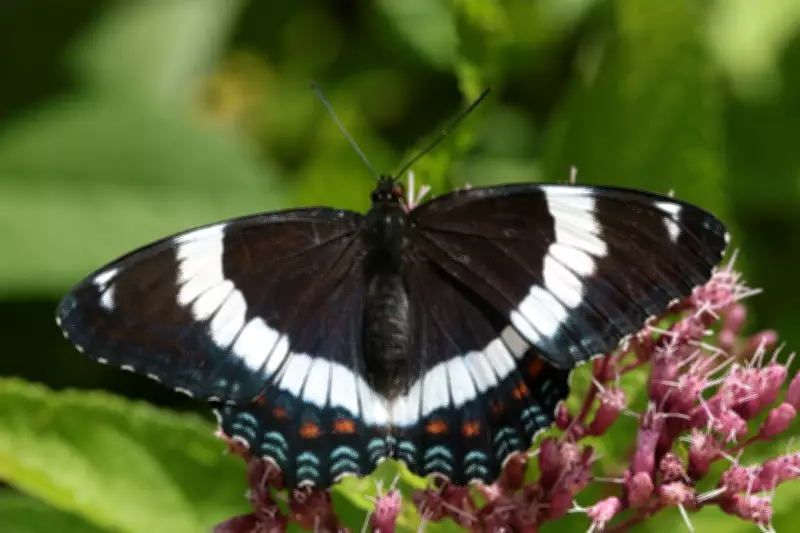
The journey to this designation began in the mid-1990s, when entomologists and environmental advocates first proposed the white admiral butterfly for emblem status. "This recognition is a testament to decades of dedication from scientists and citizens alike," said a spokesperson for Espace pour la vie, a Montreal-based organization that supported the initiative. The butterfly, known scientifically as Limenitis arthemis, is distinguished by its striking black wings adorned with white bands and subtle blue spots, making it a familiar sight across Quebec's diverse landscapes.
Unlike many emblematic species that are rare or endangered, the white admiral was chosen for its ubiquity and role in local ecosystems. It thrives in mixed woodlands, meadows, and urban green spaces, serving as a pollinator and a food source for birds. This selection underscores Quebec's commitment to highlighting species that are integral to everyday environmental interactions, rather than focusing solely on those at risk.

Ecological and Cultural Significance
The designation process involved extensive consultations with biologists, Indigenous communities, and public stakeholders to ensure the butterfly's ecological and cultural relevance. "The white admiral is not just an insect; it's a part of our natural heritage that connects people to the outdoors," explained an environmental policy expert. In Quebec, where biodiversity conservation is a growing priority, this move aligns with broader efforts to promote awareness of native species and their habitats.
Key facts about the white admiral butterfly include:
- It is widely distributed throughout Quebec, from the southern regions to boreal forests.
- The species undergoes a complete metamorphosis, with caterpillars feeding on willow and poplar leaves.
- Adults are active from late spring to early fall, contributing to pollination during this period.
- Its recognition adds to Quebec's list of official symbols, such as the snowy owl and blue flag iris.
Implications for Conservation and Education
This emblem status is expected to bolster conservation initiatives and educational programs across the province. By highlighting a common yet charismatic insect, authorities aim to inspire public engagement in wildlife protection and habitat preservation. Schools and nature centers may incorporate the white admiral into curricula, fostering a deeper appreciation for local biodiversity among younger generations.
Moreover, the designation could have positive ripple effects for related environmental policies. As Quebec faces challenges like climate change and habitat loss, recognizing emblematic species can help galvanize support for broader conservation strategies. "This is a step toward making biodiversity a cornerstone of our cultural identity," noted a conservation advocate.
In summary, the white admiral butterfly's new status as Quebec's emblem insect culminates a 30-year effort, celebrating a species that embodies the province's natural beauty and ecological vitality. This move not only honors a familiar insect but also reinforces the importance of preserving Quebec's rich biodiversity for future generations.