Vancouver Marks Historic First Snowless Winter in Over Four Decades
Vancouver has officially closed out its first winter without any measurable snowfall in 43 years, a stark meteorological milestone that has left local ski resorts scrambling and climate scientists deeply concerned. This unprecedented event, documented through the winter of 2025-2026, signals a dramatic shift in the region's typical weather patterns and raises urgent questions about the long-term impacts of a warming climate on the Pacific Northwest.
A Winter Without White: The Data Behind the Dry Spell
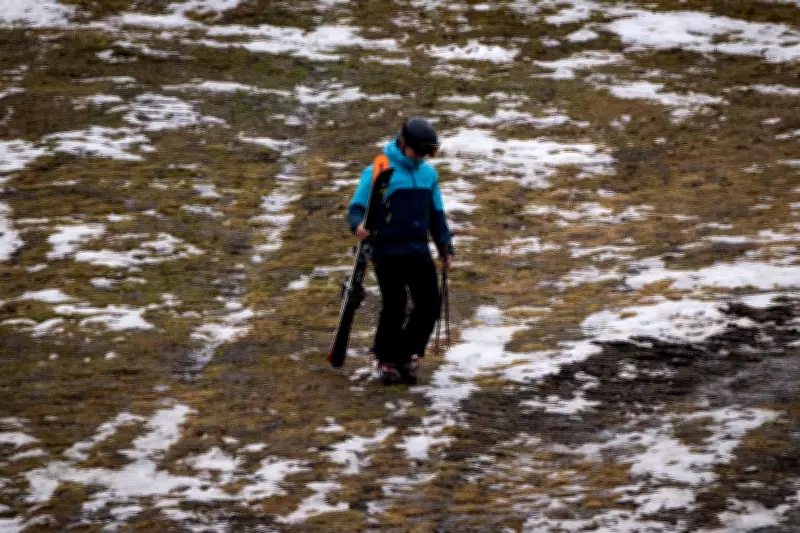
Historical records from Environment and Climate Change Canada confirm that this is the first time since the winter of 1982-1983 that Vancouver has failed to record any snowfall accumulation. The city, which typically averages around 38 centimeters of snow annually, saw not a single flake settle on the ground throughout the entire season. This dry spell extended well beyond the city limits, affecting popular mountain destinations like Whistler, where skiers were photographed traversing patchy, brown slopes as early as December 2023—a visual testament to the accelerating trend.
"We are witnessing a fundamental transformation of our winter climate," stated Dr. Elara Chen, a climatologist at the University of British Columbia. "The absence of snow this year isn't an isolated anomaly; it's part of a clear, accelerating pattern linked to rising global temperatures and shifting atmospheric currents." Her research indicates that snowpack levels across British Columbia's coastal mountains have declined by approximately 20% over the past two decades, severely impacting water resources, wildlife habitats, and winter tourism economies.

Economic and Environmental Repercussions Mount
The snowless winter has delivered a significant blow to British Columbia's winter sports industry, which generates billions in annual revenue. Whistler Blackcomb, one of North America's largest ski resorts, reported a 15% drop in early-season visitation and was forced to rely heavily on artificial snowmaking—an energy-intensive and costly process that becomes less effective as temperatures rise. Local businesses dependent on winter tourism, from equipment rentals to hospitality services, are facing uncertain futures as the reliable snow season shrinks.
Beyond economics, the ecological consequences are profound. The lack of snowpack threatens summer water supplies for agriculture and urban use, increases the risk of early-season wildfires, and disrupts hibernation cycles for native species like black bears and marmots. Wildlife experts note that many animals are "barely holding on" as they emerge from winter with diminished fat reserves, struggling to find food in altered landscapes.
Looking Ahead: More Snowless Winters Predicted
Climate models project that Vancouver could experience snowless winters with increasing frequency in the coming decades. A recent study from the Pacific Climate Impacts Consortium suggests that by 2050, the city may see winters without snow as often as one in every three years under high-emission scenarios. This trend is consistent with broader global patterns, where mid-latitude regions are experiencing shorter, warmer winters with reduced precipitation falling as snow.
Urban planners and policymakers are now grappling with how to adapt infrastructure and emergency services to this new reality. "We must rethink everything from flood management to public health strategies," emphasized Maria Rodriguez, a sustainability officer with the City of Vancouver. "The snowless winter is a wake-up call that climate change is not a distant threat—it's here, reshaping our city in real time."
As Vancouver residents enjoy an unusually mild March, the absence of winter's traditional blanket serves as a visible, unsettling reminder of the planet's changing climate. While some celebrate the reduced shoveling and commuting hassles, the long-term implications of this snowless season underscore the urgent need for comprehensive climate action and adaptive planning to safeguard the region's environment, economy, and way of life for future generations.