U.S. Proposal to Adjust Whale Protection Measures Faces Backlash from Canada
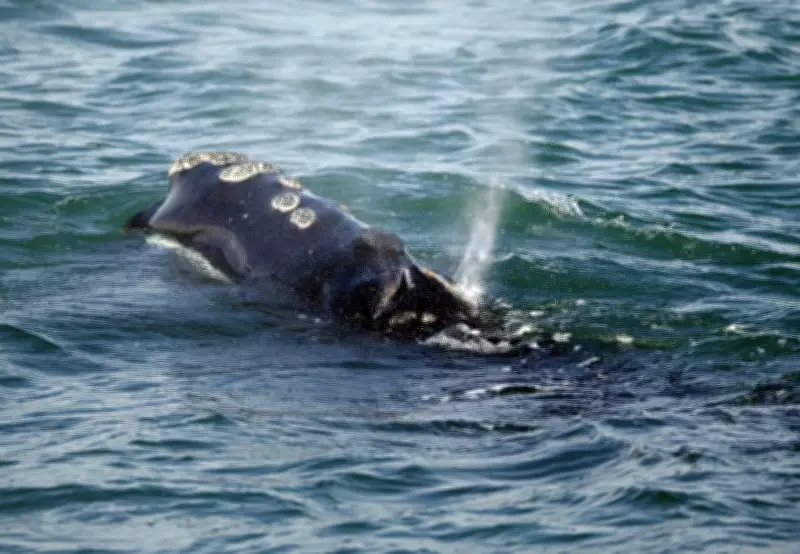
A controversial proposal from the United States to revise safety regulations designed to protect the critically endangered North Atlantic right whale has ignited significant criticism from Canadian authorities and conservation advocates. The planned changes, which would alter existing vessel speed limits and other protective measures in key habitats, are seen by many as a potential threat to the survival of this vulnerable marine species.
Details of the Proposed Regulatory Changes
The U.S. National Marine Fisheries Service has put forward adjustments to current rules that mandate slower vessel speeds in areas where North Atlantic right whales are known to feed, migrate, and calve. These regulations were originally implemented to reduce fatal ship strikes, which represent one of the leading causes of mortality for these whales. The proposed modifications would potentially relax certain seasonal restrictions and expand exemptions for various vessel types.
Canadian officials have expressed deep concern about the potential consequences of these changes. Given that North Atlantic right whales frequently traverse waters between the United States and Canada, particularly in the Gulf of St. Lawrence and along the Atlantic coast, any reduction in protective measures could have cross-border implications. "We are alarmed by any proposal that might weaken safeguards for these whales," stated a spokesperson for Fisheries and Oceans Canada. "Collaborative, bilateral efforts are essential for their recovery."

Conservationists Voice Strong Opposition
Environmental organizations on both sides of the border have mobilized against the proposed changes. Groups such as the Canadian Wildlife Federation and the U.S.-based Center for Biological Diversity argue that the existing regulations, while imperfect, have demonstrated effectiveness in reducing whale fatalities. They point to recent population estimates indicating that fewer than 360 North Atlantic right whales remain, making every individual crucial to the species' survival.
Scientific research underscores the fragility of the population. Studies have shown that even a single human-caused death per year can significantly hinder recovery efforts. The whales face multiple threats beyond ship strikes, including entanglement in fishing gear and the impacts of climate change on their food sources. Conservationists warn that relaxing protective measures could reverse recent modest gains in calf production observed in some years.
Economic and Political Dimensions
The proposal has also sparked debate about balancing conservation with economic interests. Some shipping and fishing industry representatives in the U.S. have advocated for more flexible regulations, citing operational challenges and economic costs. However, Canadian stakeholders, particularly in regions where whale-watching tourism contributes to local economies, emphasize that protecting the whales is both an ecological imperative and an economic necessity.
The controversy arrives amid ongoing bilateral discussions about marine conservation and shared environmental responsibilities. It highlights the complex interplay between national regulatory frameworks and transboundary ecological concerns. As the U.S. moves forward with its regulatory review process, Canadian officials have indicated they will continue to engage through diplomatic channels to advocate for maintaining robust protections.
The future of the North Atlantic right whale may hinge on the outcome of this policy debate, making it a critical issue for international conservation efforts in the coming months.