A new report has cast doubt on the effectiveness of speed bumps as a solution for speeding on major Toronto roads, with experts warning they can hinder emergency response times and may not achieve the desired safety outcomes. The findings come amid ongoing debates over traffic calming measures in Canada's largest city.
Why Speed Bumps Fall Short
According to urban planners and traffic engineers consulted for the report, speed bumps are designed for low-volume, local streets, not arterial roads where traffic flows at higher speeds. On major roads, they can cause abrupt braking, increase collision risks, and delay emergency vehicles such as ambulances and fire trucks. "Speed bumps are not a one-size-fits-all solution," said one expert. "On major roads, they can create more problems than they solve."
The report, released by the Toronto Centre for Active Transportation, analyzed data from 15 pilot projects across the city. It found that while speed bumps reduced average speeds by 10 to 15 percent on local streets, they had minimal impact on major roads, where speeds often remained above posted limits. In some cases, drivers accelerated between bumps, negating any safety gains.

Impact on Emergency Services
Toronto Fire Services reported that speed bumps added an average of 30 to 45 seconds to response times on routes where they were installed. "Every second counts in an emergency," said a spokesperson. "We need traffic calming that doesn't compromise our ability to reach people in need." The report echoes concerns raised by paramedics and police, who argue that speed bumps can cause discomfort for patients and damage vehicles.
Alternative Solutions
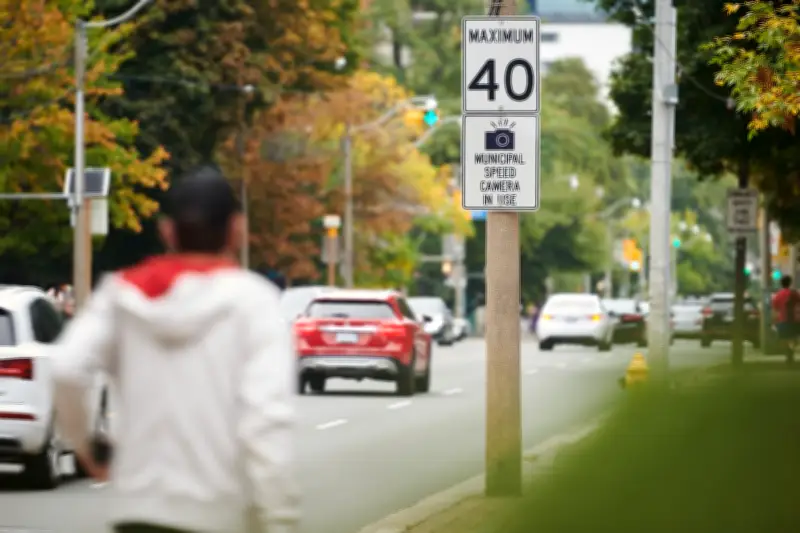
Experts recommend a combination of measures for major roads, including narrower lanes, raised crosswalks, roundabouts, and automated speed enforcement cameras. "Speed cameras have proven effective in reducing speeds and crashes without the drawbacks of physical bumps," said the report's lead author. The city has already deployed 50 speed cameras in school zones and community safety zones, with plans to expand the program.
Other suggestions include improving road design to encourage slower driving, such as adding bike lanes and pedestrian islands, and increasing police presence. "We need a holistic approach that prioritizes safety for all road users," added the expert.
City Response
Toronto's transportation department acknowledged the report's findings and said it is reviewing its traffic calming guidelines. "We are committed to evidence-based solutions," a spokesperson said. "Speed bumps will continue to be used on local streets, but we are exploring other options for major roads."
The report comes as Toronto recorded 35 traffic fatalities in 2025, a 12 percent increase from the previous year. Pedestrian deaths accounted for nearly half of those, according to city data. Advocates argue that more aggressive action is needed to meet the city's Vision Zero goal of eliminating traffic deaths.