Saskatchewan Environmental Society Opposes $2.6 Billion Uranium Deal with India
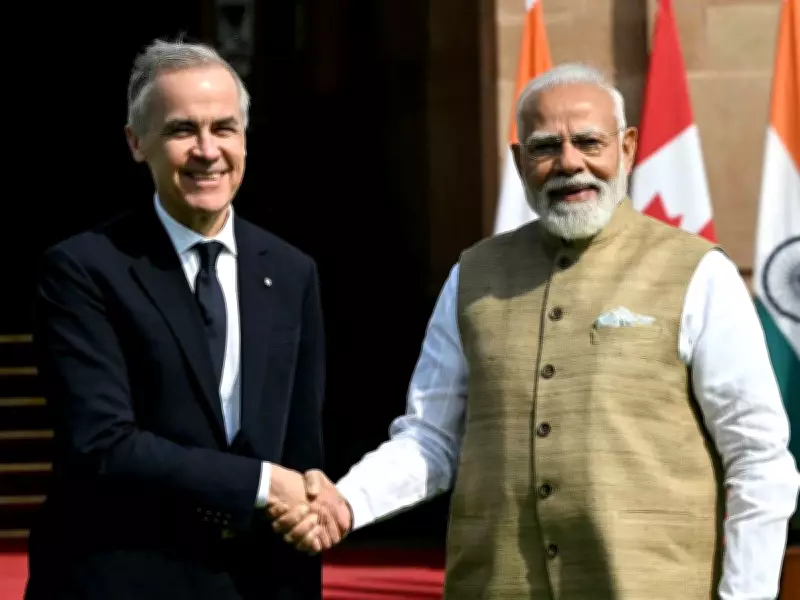
The Saskatchewan Environmental Society (SES) has voiced strong opposition to a recently signed agreement that will see Saskatchewan-mined uranium exported to India in a deal valued at $2.6 billion over nine years. The environmental organization argues that the arrangement carries significant ethical implications due to India's stance on international nuclear non-proliferation agreements.
Non-Proliferation Treaty Concerns
SES board member Peter Prebble emphasized in a news release that India refuses to sign and ratify the Treaty on the Non-Proliferation of Nuclear Weapons, which was designed as a fundamental prerequisite for all uranium and nuclear reactor trade between nations. "Selling uranium to a country that rejects the treaty — and that in fact openly defies it — is highly irresponsible," Prebble stated.
He further noted that India has also declined to sign and ratify the Comprehensive Test Ban Treaty, which aims to prevent nuclear weapons testing. According to SES data, 190 countries have signed the Non-Proliferation Treaty, while 178 have ratified the Comprehensive Test Ban Treaty.

Weapons Production Concerns
The environmental society expressed particular concern that while Saskatchewan uranium would fuel India's civilian nuclear reactors, the agreement effectively allows India to redirect its limited domestic uranium stockpiles toward atomic weapons production. The SES warned that India's "so-called civilian plutonium separated from spent nuclear reactor fuel" could potentially be converted into weapons-grade material within one to two years.
Additionally, the organization highlighted that India retains the ability to withdraw from its nuclear cooperation agreement with Canada with just one year's notice, creating further uncertainty about long-term safeguards.
Historical Context and Current Protocols
University of Saskatchewan economics and international trade professor Joel Bruneau provided historical context, noting that Canada first questioned nuclear energy cooperation with India back in 1974 when India used Canadian nuclear reactor technology to develop and test its first atomic bomb. This event temporarily halted uranium sales between the two nations.
A nuclear cooperation agreement was eventually signed in 2012 to resume sales. Bruneau explained that while some international agreements contain trade restrictions, the current arrangement does not, meaning "there's no obligation for a country like Canada to ban exports to a place like India."
Bruneau described the existing safeguards, including International Atomic Energy Agency protocols established under a 2009 agreement that track nuclear material inventories. However, he acknowledged limitations, noting that declarations by importing countries that uranium won't be used for weapons production are "in a lot of cases, basically useless because it then frees up other resources to be used to produce nuclear weapons."
Economic Implications and Industry Response
The $2.6 billion deal represents a significant economic opportunity for Saskatchewan's uranium industry, with the material destined to expand India's civilian nuclear power fleet. The agreement comes amid renewed global interest in nuclear energy as a low-carbon power source.
Despite economic benefits, the Saskatchewan Environmental Society maintains that ethical considerations should take precedence, particularly given India's position on non-proliferation treaties and the potential for diverted resources to support weapons programs.
The debate highlights the ongoing tension between economic development through resource exports and adherence to international non-proliferation standards, with environmental advocates calling for stricter oversight and ethical considerations in nuclear trade agreements.