Rising Temperatures Heighten Flood Risks Across Canada, Experts Call for Public Vigilance
As global temperatures continue to rise, experts are sounding the alarm over increasing flood risks in various regions of Canada. The warming climate is contributing to more frequent and severe weather events, including heavy rainfall and rapid snowmelt, which can lead to dangerous flooding in vulnerable areas.
Recent Flooding Incidents Highlight Growing Concerns
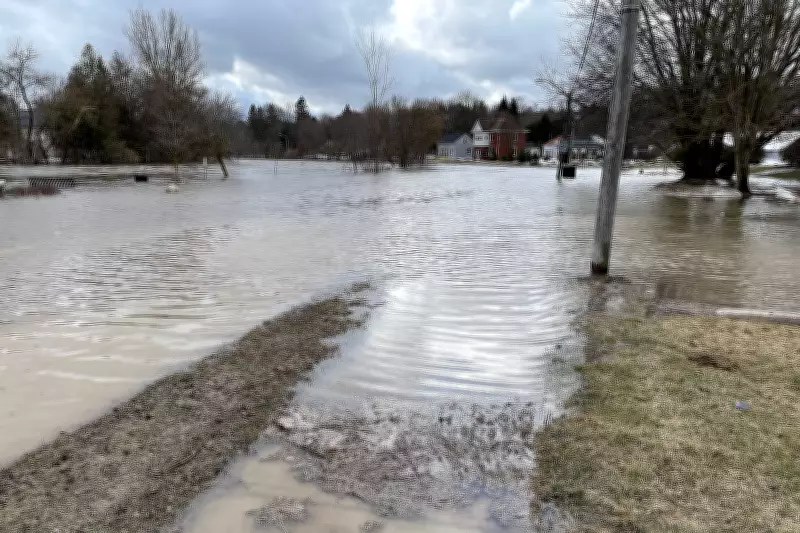
Recent events have underscored the urgency of this issue. In March 2025, the Grand River Conservation Authority issued flooding warnings for Dufferin County and several other areas in Southern Ontario following heavy rainfall and unseasonably warm temperatures. Flood waters were observed on Water Street along the Grand River in Grand Valley, Ontario, illustrating the tangible impacts of these changing weather patterns.
This incident serves as a stark reminder of what experts predict could become more common occurrences across the country. As temperatures rise, the capacity of the atmosphere to hold moisture increases, leading to more intense precipitation events that can overwhelm drainage systems and natural waterways.

Expert Recommendations for Public Preparedness
Environmental specialists and climate scientists are urging Canadians to become more aware of flood risks in their communities. Key recommendations include:
- Monitoring local weather forecasts and flood warnings regularly
- Understanding the specific flood risks in your area, including proximity to rivers, lakes, or coastal zones
- Developing emergency plans for evacuation if necessary
- Considering flood insurance options for properties in vulnerable locations
- Supporting community initiatives that enhance flood resilience
"Public awareness is crucial in mitigating the impacts of flooding," emphasized one climate expert. "As we see temperatures continue to rise, we must prepare for the consequences, including increased flood risks. Communities that are informed and prepared will fare much better when extreme weather events occur."
Broader Climate Context and Future Projections
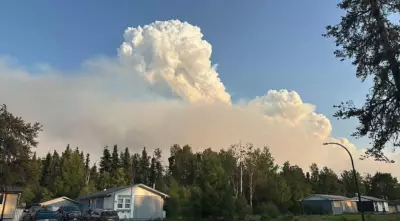
The increased flood risk in Canada is occurring within a broader context of climate change impacts being felt nationwide. From Alberta mountain towns preparing for another wildfire season to concerns about water restrictions in Calgary, communities across the country are grappling with the practical implications of a changing climate.
Scientific studies have documented that heat waves that spark damaging droughts are happening more frequently, creating conditions that can paradoxically lead to both water scarcity and flooding events. When prolonged dry periods are followed by intense rainfall, the hardened ground cannot absorb water effectively, increasing runoff and flood potential.
Environment Canada has issued yellow weather warnings for several provinces, indicating that weather conditions could pose risks to property and safety. These warnings often precede events that can lead to flooding, particularly when combined with factors like rapid snowmelt or saturated ground conditions.
Community Resilience and Adaptation Strategies
Across Canada, communities are developing strategies to enhance their resilience to flooding and other climate-related challenges. These include:
- Improving drainage infrastructure to handle increased precipitation
- Implementing land-use planning that avoids development in flood-prone areas
- Restoring natural floodplains and wetlands that can absorb excess water
- Developing early warning systems for flood events
- Creating community emergency response plans specifically for flooding scenarios
As temperatures continue their upward trajectory, experts emphasize that proactive measures today can significantly reduce the human and economic costs of flooding tomorrow. The call for public awareness extends beyond individual preparedness to include support for policies and investments that address the root causes of climate change while building community resilience to its inevitable impacts.