Expert Warns: Preparation Is the Best Defense Against Flooding Risks
As climate patterns shift and extreme weather events become more frequent, flooding poses a significant threat to communities across Canada. Experts are now stressing that proactive preparation is the most effective strategy to minimize damage and protect both lives and property.
The Growing Threat of Flooding
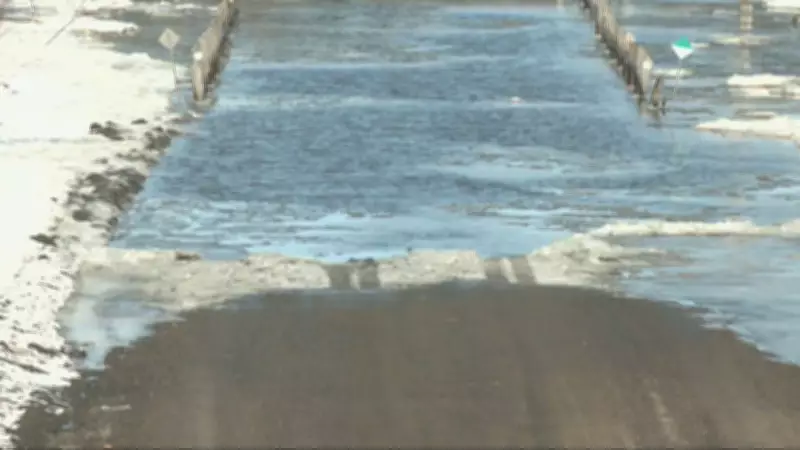
Flooding can result from various factors, including heavy rainfall, rapid snowmelt, and storm surges. These events can lead to extensive property damage, disrupt essential services, and create hazardous conditions for residents. In urban areas, inadequate drainage systems can exacerbate the problem, while rural regions may face challenges from overflowing rivers and streams.
Melting ice and snow are particularly concerning, as they not only increase personal safety risks but also contribute to widespread flooding that can devastate homes and infrastructure. With climate change accelerating these processes, the urgency for preparedness has never been greater.

Key Steps for Flood Preparedness
To build resilience against flooding, individuals and communities should consider the following measures:
- Assess Your Risk: Identify if your property is in a flood-prone area by consulting local maps and historical data.
- Create an Emergency Plan: Develop a family or business plan that includes evacuation routes, communication strategies, and essential supplies.
- Protect Your Property: Install sump pumps, backwater valves, and elevate electrical systems to reduce damage.
- Stay Informed: Monitor weather forecasts and heed warnings from authorities to take timely action.
- Invest in Insurance: Ensure you have adequate flood insurance coverage, as standard policies may not include it.
Community and Government Roles
Effective flood defense requires collaboration between residents, local governments, and environmental agencies. Municipalities can invest in improved drainage infrastructure, enforce zoning regulations to limit development in high-risk areas, and conduct public awareness campaigns.
For instance, recent initiatives in some Canadian cities have focused on green infrastructure, such as permeable pavements and rain gardens, to absorb excess water and reduce runoff. These efforts not only mitigate flooding but also enhance urban sustainability.
Looking Ahead
As climate models predict more intense and frequent flooding events in the coming years, the importance of preparation cannot be overstated. By taking proactive steps today, communities can safeguard their futures and reduce the economic and emotional toll of disasters.
Remember, when it comes to flooding, an ounce of prevention is worth a pound of cure. Start your preparedness journey now to ensure you are ready when the waters rise.