The Oldman River's Cry: Drought and Deforestation Threaten Vital Watershed
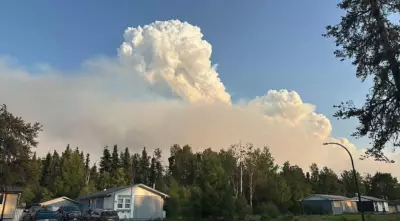
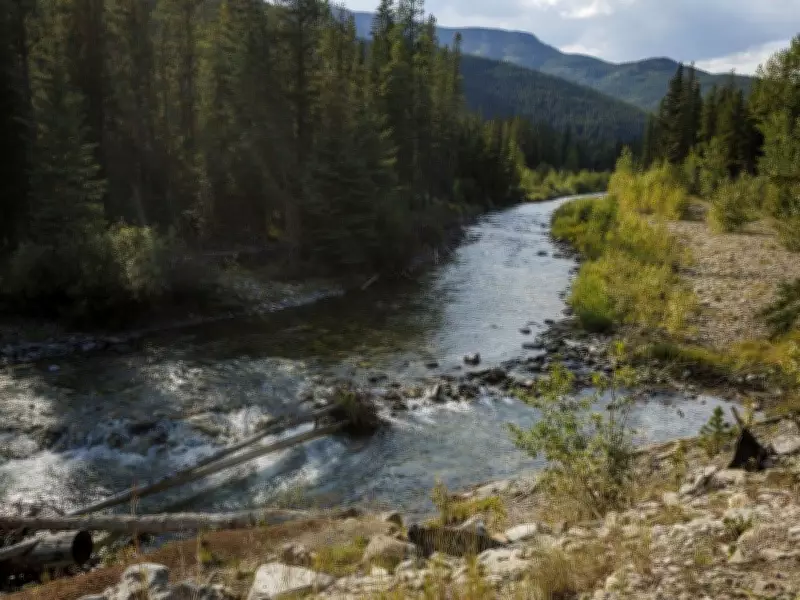
The Oldman River, a critical water source in Alberta, is facing a severe existential crisis due to prolonged drought conditions and extensive human intervention. Light smoke often tints the air along its banks, a visual testament to the environmental stress affecting this vital ecosystem. The river's headwaters region, once celebrated for its natural beauty, has been transformed through billions in taxpayer funding into a landscape marred by mud, stumps, rutted roads, and clearcuts.
Government Policies and False Progress
Despite the evident degradation, government authorities continue to defend what they portray as economic progress. This stance involves demanding ongoing public financial support for a forest products economy that many experts argue is fabricated and unsustainable. In doing so, they facilitate the continued destruction of an irreplaceable headwaters watershed, valued at billions of dollars for its ecological and hydrological importance.
From the eastern gateway to the Crowsnest Pass, the devastation is starkly visible. The Crowsnest River valley, which defines the narrow waistline of the Rocky Mountains, is home to Alberta's rarest and most tree species-diverse forest. Here, harvesting companies operate under a flawed premise: attempting to sustain a water-deprived, mid-elevation forest of lodgepole pines and white spruces for over a century until these trees can be harvested for lumber like 2x4s.

Insects, Fire, and a Perfect Storm
The biggest challenges in this fragile ecosystem are insects and wildfires. A virtual army of hungry forest pathogens feasts on the matchstick timber, while wildfires ignite and rapidly spread through kindling-like vegetation. Government-funded efforts to transform this dry forest into a viable industry have inadvertently created a perfect storm of environmental hazards.
Within this warped scenario, the government now calls on Albertans to discuss hazardous fuels reduction as a burning need. However, this initiative asks citizens to endorse the killing of Alberta's rarest forest at its westernmost edge in a misguided attempt to protect communities from wildfire danger. After decades of costly wildfire prevention efforts, the government has ironically created the very fuel that could feed an inferno.
Clearcutting and Its Consequences
Government forest managers propose clear cuts as a simple overnight fix, despite evidence showing little merit. This approach distracts from the real problem: the further hydrological destruction of the Oldman's headwaters. The Community Hazardous Fuels Reduction Program leverages society's fear of wildfires to gain public acceptance for expanded clearcutting in Alberta's already compromised headwaters forest.
Clearcutting has severe repercussions:
- It amplifies flooding risks and increases the potential for landslides.
- It degrades the hydrological health of the headwaters, undermining their value as a watershed for approximately 200,000 people.
- These impacts are compounded by scars from unregulated off-road vehicle use.
- Additionally, a mountain within this drought-stricken landscape faces potential sacrifice for coal mining operations.
While the government views these outcomes as industry-proposed visions for a more prosperous tomorrow, the hydrological health of this headwaters forest holds far greater value than the land's meagre crop of century-old matchstick timber. The Oldman River's cry for help echoes through its dwindling waters, urging a reevaluation of policies that prioritize short-term economic gains over long-term environmental sustainability.