Nova Scotia's Wildfire Season Commences with Heightened Vigilance
Nova Scotia has officially entered its wildfire season, marking a period of increased environmental risk and public safety concerns. This annual occurrence arrives amidst growing awareness of climate-related challenges affecting the region's forests and communities.
Historical Context and Current Preparedness
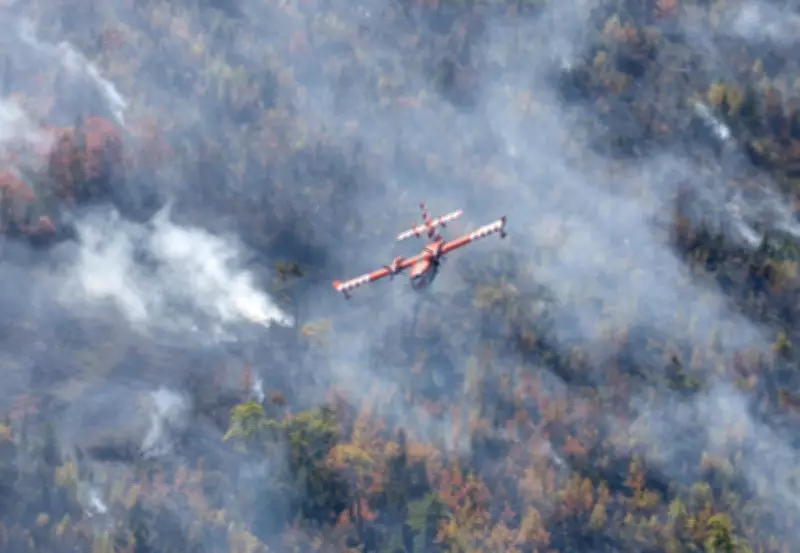
The province's wildfire management teams are implementing comprehensive strategies to monitor and respond to potential outbreaks. Recent years have seen significant fire activity, including notable incidents like the Lake George wildfire near Aylesford in October 2025, which required aerial support from Newfoundland and Labrador. These events have underscored the importance of early detection and rapid response capabilities.
Authorities emphasize that wildfire season typically spans from spring through fall, with peak risks occurring during dry, warm periods. Proactive measures include increased patrols, public education campaigns, and coordination with neighboring provinces to share resources and expertise. The provincial government has allocated additional funding for firefighting equipment and personnel training to enhance readiness.

Environmental Factors and Climate Implications
Experts link the intensity and frequency of wildfires in Nova Scotia to broader climate patterns, including rising temperatures and altered precipitation cycles. These conditions create favorable environments for fires to ignite and spread rapidly, particularly in forested areas with accumulated dry vegetation. Research indicates that climate change may be extending the duration of wildfire seasons across Canada, necessitating adaptive management approaches.
Environmental organizations have called for sustained federal and provincial investments in land protection and water conservation to mitigate wildfire risks. Initiatives focused on forest management, such as controlled burns and vegetation clearing, are being prioritized to reduce fuel loads and create firebreaks in vulnerable zones.
Public Safety Advisories and Community Engagement
Residents are urged to exercise caution during wildfire season by adhering to fire bans, reporting suspicious smoke, and preparing emergency evacuation plans. Key recommendations include:
- Maintaining defensible spaces around properties by removing flammable materials
- Avoiding outdoor burning during high-risk periods
- Staying informed through official channels like the Nova Scotia Department of Natural Resources
- Participating in community wildfire preparedness workshops
Local governments are collaborating with emergency services to conduct drills and update response protocols. Public awareness campaigns highlight the role of individual actions in preventing human-caused fires, which account for a significant portion of incidents annually.
Broader Context and Future Outlook
The start of wildfire season in Nova Scotia coincides with national discussions on environmental policy and climate resilience. As provinces grapple with extreme weather events, there is growing emphasis on integrating wildfire management into broader sustainability frameworks. Ongoing research into fire behavior and ecological impacts aims to inform long-term strategies for coexistence with natural fire regimes.
Looking ahead, authorities anticipate that technological advancements, such as improved satellite monitoring and predictive modeling, will enhance wildfire forecasting and response efficiency. Community-based initiatives and cross-jurisdictional cooperation remain central to safeguarding Nova Scotia's landscapes and inhabitants during this critical period.