New Brunswick Establishes Lobster Law Enforcement Unit to Tackle Poaching
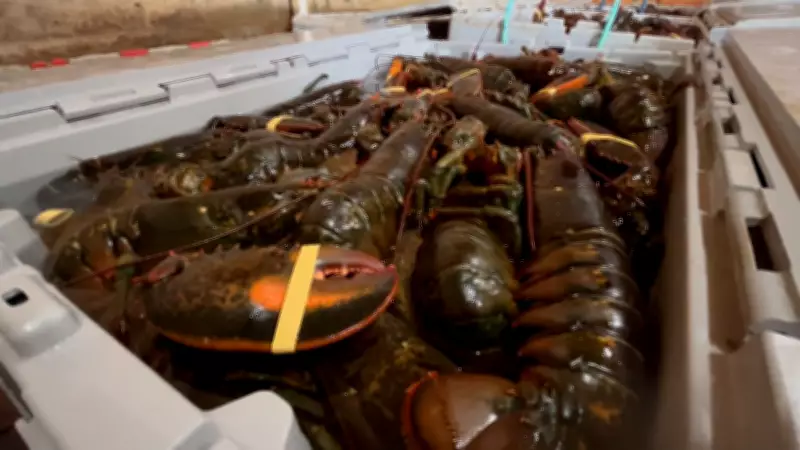
In a significant move to address illegal fishing activities, New Brunswick has launched a new specialized law enforcement unit focused on combating lobster poaching. This initiative comes in response to alarming statistics from the Nova Scotia government, which indicate that approximately 30 percent of annual lobster landings in Atlantic Canada go unreported. The unit aims to enhance monitoring and enforcement efforts to protect the region's valuable lobster fisheries.
Key Objectives and Strategies
The primary goal of the new enforcement unit is to reduce unreported landings and ensure compliance with fishing regulations. Authorities plan to implement advanced surveillance technologies and increase patrols in high-risk areas. This proactive approach is designed to deter illegal activities and safeguard the sustainability of lobster populations, which are crucial to the local economy and marine ecosystem.
Officials emphasize that the unit will work closely with other provincial and federal agencies to coordinate efforts. By fostering collaboration, they hope to create a more effective and integrated response to poaching incidents. This includes sharing intelligence and resources to target organized crime networks involved in illegal fishing operations.

Impact on Fisheries and Communities
The establishment of this unit is expected to have a positive impact on both the environment and the fishing industry. By curbing poaching, it will help maintain healthy lobster stocks and support legitimate fishermen who adhere to regulations. This, in turn, can contribute to economic stability in coastal communities that rely on fishing for their livelihoods.
Additionally, the unit's efforts may lead to improved data collection on lobster landings, providing better insights for fisheries management. Enhanced enforcement could also boost public trust in the regulatory system, encouraging more fishermen to report their catches accurately and participate in conservation initiatives.
Challenges and Future Outlook
Despite the unit's formation, challenges remain, such as the vast and remote nature of fishing grounds, which can make enforcement difficult. Authorities acknowledge that ongoing training and resource allocation will be essential to overcome these obstacles. They are committed to adapting strategies based on emerging trends and feedback from stakeholders.
Looking ahead, the success of the lobster law enforcement unit will depend on sustained funding and community support. If effective, it could serve as a model for other regions facing similar issues with illegal fishing. The initiative underscores New Brunswick's dedication to preserving its marine resources for future generations.