A new $10.7 million research and monitoring field station has officially opened in Wood Buffalo National Park, marking a significant step in collaborative environmental stewardship. The facility, located in the Peace-Athabasca Delta near Fort Chipewyan, Alberta, was celebrated on June 30, 2026, by Indigenous leaders and Parks Canada officials.
Community Collaboration and Design
The field station was designed in close collaboration with Athabasca Chipewyan First Nation, Fort Chipewyan Métis Nation, and Mikisew Cree First Nation. It is situated 10 km from Fort Chipewyan and will serve as a hub for community-based monitoring initiatives, including Muskrat and Fish Camps. These land-based programs allow community members, researchers, and Knowledge Holders to observe environmental conditions through traditional practices, effectively braiding Indigenous Knowledge with Western Science to strengthen monitoring and stewardship in the delta.
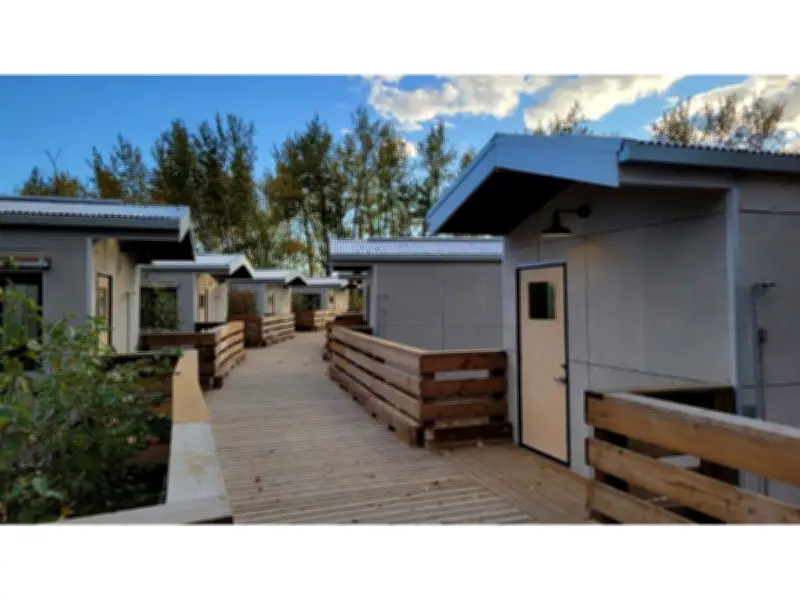
The facility also provides comfortable, accessible year-round accommodations for scientists, knowledge holders, youth, and Elders. It will function as a gathering place to foster connections among researchers, youth, Elders, and the broader community.

Supporting the World Heritage Site Action Plan
The opening of the Wood Buffalo National Park Field Station is a key milestone in implementing the Wood Buffalo National Park World Heritage Site Action Plan. It directly responds to commitments to strengthen coordinated research, monitoring, and community-based stewardship in the Peace-Athabasca Delta.
This initiative is part of the Government of Canada's broader $3.8 billion A Force of Nature strategy, announced on March 31, 2026. The strategy includes a $90 million investment over five years to support ecosystem restoration and the recovery of wood bison populations along the Alberta-Northwest Territories border. Delivered in partnership with Indigenous communities and regional governments, this investment will also advance the ongoing implementation of the Wood Buffalo National Park World Heritage Site strategy.
Indigenous Leadership and Quotes
Acting Chief Teri Villebrun of Athabasca Chipewyan First Nation emphasized the significance of the project: “This is what sovereignty looks like. Indigenous Nations investing in themselves to protect our environment, culture and food chain. It’s up to us to stand against the forces of unchecked development. This is what that looks like.”
Chief Melody Lepine of Mikisew Cree First Nation added: “Mikisew Cree First Nation is proud to join Parks Canada in celebrating the opening of the Field Station on our traditional lands along the Quatre Fourche River. This space will bring together Elders, knowledge holders, youth, land users, and scientists to share knowledge, strengthen connections, and deepen our understanding of the Peace-Athabasca Delta. A UNESCO World Heritage Site faced with significant threats to the declining Outstanding Universal Value; we welcome all efforts towards its conservation.”
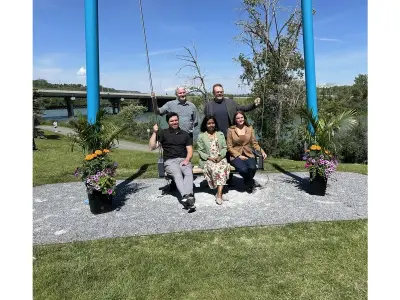
The event was attended by Acting Chief Teri Villebrun, President Ruby Ladouceur of Fort Chipewyan Métis Nation, Chief Melody Lepine, Lori Cyprien (Chair of the Board of Directors for Nipîy Tu Research & Knowledge Centre), and Jewel Cunningham (Parks Canada’s Senior Vice-President of Operations).