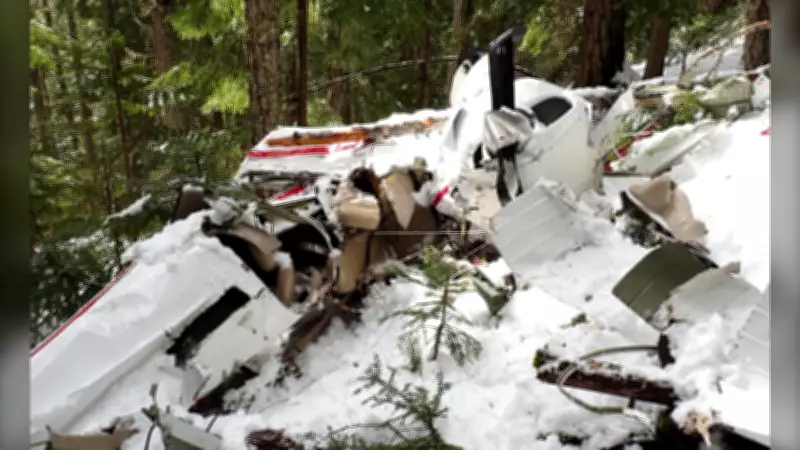
The Transportation Safety Board of Canada (TSB) has released a report indicating that mistakes in mountain flying were the probable cause of a fatal plane crash in British Columbia. The incident, which resulted in the loss of life, underscores the significant challenges and risks associated with aviation in rugged, remote terrains.
Investigation Findings and Contributing Factors
According to the TSB, the crash occurred in a mountainous region of B.C., where the pilot encountered adverse weather conditions and difficult topography. The investigation revealed that the pilot likely made critical errors in judgment and navigation, failing to adequately assess the terrain and weather before proceeding. These mistakes, combined with the inherent dangers of mountain flying, led to the tragic outcome.
Key Safety Recommendations
The TSB has emphasized the need for enhanced training and awareness for pilots operating in mountain environments. The board recommends that aviation authorities implement stricter guidelines and provide more resources for mountain flying education. This includes better weather briefing systems and improved navigation tools to help pilots make safer decisions in challenging conditions.

Additionally, the report calls for increased use of technology, such as terrain awareness and warning systems, which could prevent similar accidents in the future. The TSB stresses that while mountain flying is inherently risky, proper preparation and adherence to safety protocols can mitigate many of these dangers.
Broader Implications for Aviation Safety
This crash serves as a stark reminder of the perils faced by pilots in Canada's vast and often unforgiving landscapes. The TSB's findings are part of an ongoing effort to improve aviation safety across the country, particularly in regions with complex geography. By learning from such incidents, the aviation community can work towards reducing the frequency of fatal accidents.
The report also highlights the importance of thorough pre-flight planning and continuous training for pilots. As climate change potentially alters weather patterns, making mountain flying even more unpredictable, these safety measures become increasingly crucial.
In conclusion, the TSB's investigation into this fatal B.C. plane crash points to pilot errors in mountain flying as the likely cause. The board's recommendations aim to enhance safety protocols and prevent future tragedies, ensuring that aviation in challenging environments becomes safer for all involved.