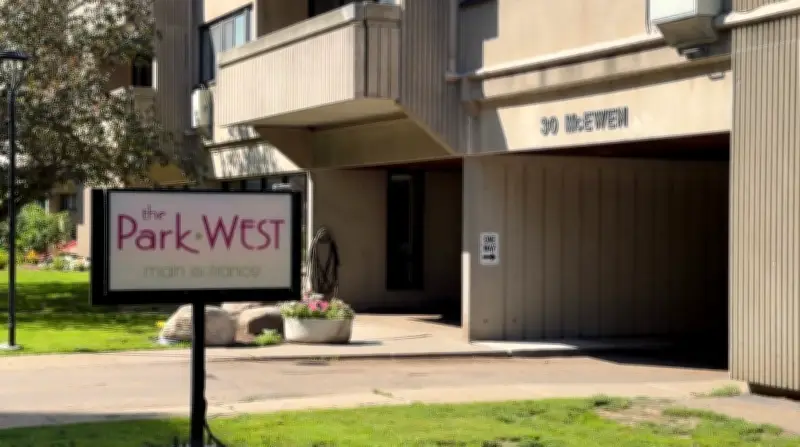
Many residents of a McEwan Ave. apartment in Ottawa have still not returned to their homes nearly a week after the Canada Day storm caused severe flooding. The storm, which struck on July 1, 2026, inundated the building with water, forcing immediate evacuations and leaving dozens of tenants without access to their units.
Flooding aftermath and resident displacement
According to Ottawa Fire Services, emergency crews responded to the apartment building on McEwan Avenue after heavy rainfall overwhelmed drainage systems, sending water cascading into ground-floor units and common areas. Residents were evacuated that evening, and many have been staying with family, friends, or in temporary accommodations provided by the city. As of July 7, building management has not yet declared the structure safe for re-entry, citing ongoing assessments of electrical systems, mold risks, and structural integrity.
“We were told it would be a few days, but now it’s been a week and we still can’t go back,” said a resident who spoke on condition of anonymity. “We lost furniture, appliances, and personal belongings. It’s devastating.” The city has set up a reception center at a nearby community hall to offer support services, including temporary housing referrals and mental health counseling.

City response and infrastructure concerns
The Canada Day storm dumped more than 100 millimeters of rain on Ottawa in a 24-hour period, according to Environment Canada, causing widespread flooding across the capital. Roads were closed, basements flooded, and several other apartment buildings reported water damage. Ottawa Mayor Mark Sutcliffe acknowledged the severity of the event in a press conference, stating that the city is reviewing its stormwater management infrastructure to prevent future incidents.
“We understand the frustration of residents who cannot return home,” Sutcliffe said. “Our priority is ensuring the building is safe, and we are working with property owners to expedite repairs.” The city has also deployed additional crews to clear debris and assess damage to public infrastructure, including storm drains and culverts that may have contributed to the flooding.
Long-term recovery and tenant rights
Tenants’ advocacy groups have raised concerns about the rights of displaced residents, urging the building’s landlord to provide regular updates and financial assistance for alternative housing. Under Ontario’s Residential Tenancies Act, landlords are required to maintain premises in a good state of repair, and tenants may be entitled to rent abatements if units are uninhabitable. The Federation of Metro Tenants’ Associations has advised affected residents to document all losses and communication with the landlord.
“Many tenants don’t know their rights in situations like this,” said a spokesperson for the organization. “We encourage them to seek legal advice and not sign any waivers without understanding the implications.” Meanwhile, the city has announced a temporary relief fund for low-income households affected by the storm, offering up to $2,000 per household for emergency expenses.
Broader impact of the Canada Day storm
The flooding at McEwan Avenue is part of a larger pattern of extreme weather events in the region. The same storm caused power outages affecting over 50,000 hydro customers, forced the closure of major roads including the Queensway, and led to the cancellation of Canada Day festivities in some areas. Ottawa Public Health has warned residents to avoid contact with floodwater due to potential contamination from sewage and chemicals.
As cleanup continues, affected residents remain in limbo. “We just want to go home,” said another tenant. “We need answers about when that will happen.” The building’s management has not yet provided a timeline for reoccupancy, but inspections are ongoing.