Winter Storm Prompts Widespread Disruptions Across Atlantic Canada
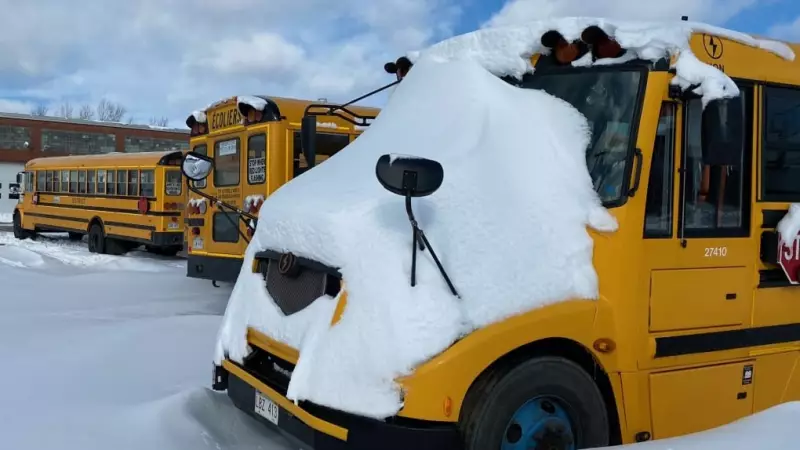
A powerful and slow-moving Nor'easter is currently impacting Atlantic Canada, bringing significant snowfall, strong gusty winds, and causing a cascade of cancellations and closures. School districts across the Maritimes are taking precautionary measures, with many announcing closures for student safety as hazardous travel conditions develop.
Transportation and Educational Services Affected
The storm system is creating treacherous road conditions, leading to the cancellation of school bus services in numerous communities. This follows a pattern of winter weather disruptions in the region. The decision to close schools is not taken lightly by administrators, who must balance educational continuity with the paramount importance of student and staff safety during severe weather events.
Beyond education, the Nor'easter is expected to disrupt various scheduled events, flights, and public services. Residents are advised to check with local authorities, school boards, and transportation providers for the latest updates on specific closures and cancellations in their area.

Context of Winter Weather Preparedness
This event highlights the ongoing challenges Canadian communities face during the winter season. Effective communication and preparedness are crucial for municipal governments and institutions. The storm serves as a reminder for residents to have emergency kits prepared, including essentials like water, non-perishable food, and medications, in case of extended power outages or being housebound.
Environment Canada and other meteorological services continue to monitor the system, providing updated warnings and forecasts. The public is urged to heed all weather advisories, avoid non-essential travel, and prepare for potential power interruptions due to the combination of heavy, wet snow and high winds.
As the Nor'easter progresses, its full impact on daily life in New Brunswick, Nova Scotia, and Prince Edward Island will become clearer. Community resilience and adherence to safety guidelines remain the best strategies for navigating this significant winter weather event.