Manitoba's Wildfire Outlook: Dry Conditions Ease, But Season Remains Uncertain
Recent environmental assessments indicate that dry conditions across Manitoba have shown notable improvement, providing a glimmer of hope as the province approaches the 2026 wildfire season. However, officials emphasize that the overall wildfire outlook remains highly unpredictable, with multiple factors still in flux that could significantly impact fire risk throughout the coming months.
Environmental Conditions Show Mixed Signals
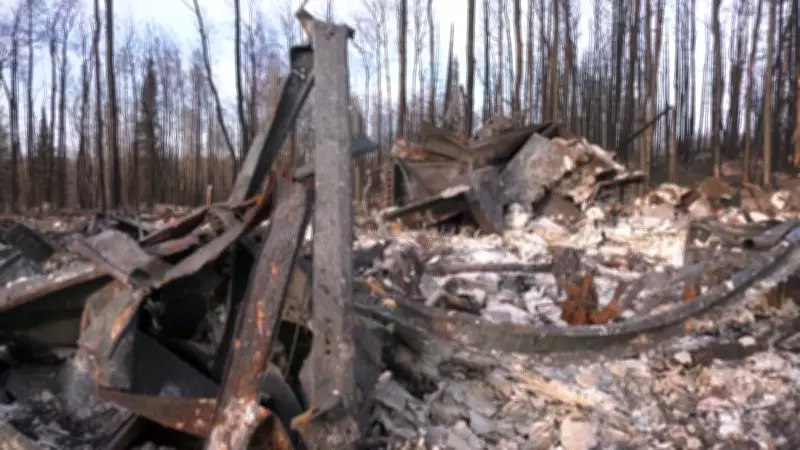
The remnants of the 2025 Manitoba wildfire season serve as a stark reminder of the devastation these events can bring. While current moisture levels have improved compared to previous assessments, meteorological patterns continue to demonstrate volatility. Environmental experts note that even with better hydration in some forested areas, other regions remain vulnerable to rapid drying should extended warm periods occur.
"We're seeing some positive indicators, but it's far too early to declare the wildfire season manageable," explained a provincial forestry official who requested anonymity. "The interplay between precipitation patterns, temperature fluctuations, and wind conditions creates a complex forecasting challenge that requires continuous monitoring."

Multiple Factors Influence Fire Risk
Several key elements contribute to the uncertainty surrounding this year's wildfire potential:
- Soil moisture levels have improved in some agricultural regions but remain below optimal in boreal forest areas
- Snowpack accumulation during the winter months was inconsistent across different watersheds
- Spring precipitation patterns will be critical in determining how quickly vegetation dries out
- Long-term climate trends continue to create conditions conducive to more intense fire behavior
Preparedness and Prevention Efforts
Despite the uncertain forecast, Manitoba's wildfire management agencies have been implementing enhanced preparedness measures. These include increased staffing for early detection systems, community education programs about fire prevention, and strategic positioning of firefighting resources across the province.
Officials stress that public awareness and individual responsibility play crucial roles in minimizing human-caused wildfires. "Even with improving conditions, one careless act can still spark a devastating blaze," noted the forestry official. "We need everyone to remain vigilant, especially during periods of outdoor activity."
The coming weeks will be critical for determining the trajectory of the 2026 wildfire season. While the improved dry conditions offer some optimism, the overall picture remains clouded by environmental uncertainties that could shift rapidly with changing weather patterns.