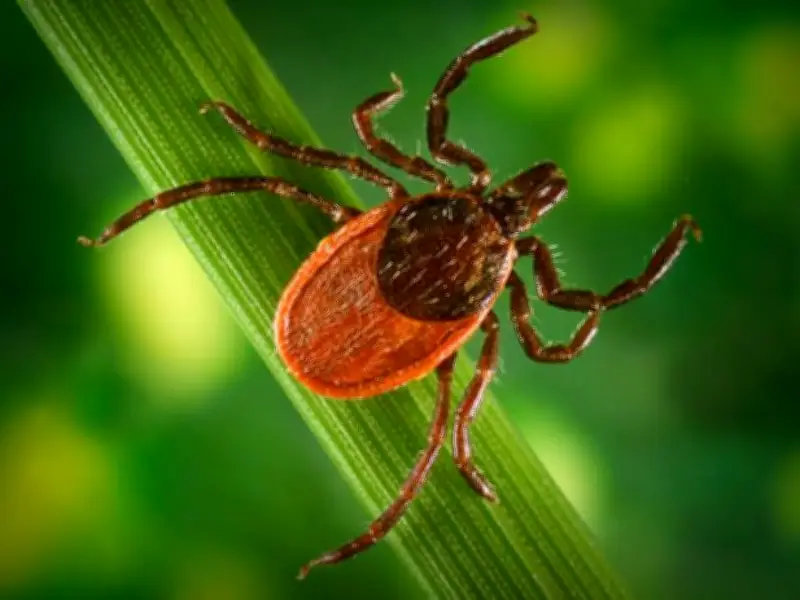
Blacklegged ticks collected in Waterloo Region have been found to carry the bacteria responsible for Lyme disease, according to recent testing. The blacklegged tick, scientifically known as Ixodes pacificus, is a well-known vector for the zoonotic spirochetal bacteria Borrelia burgdorferi, which causes Lyme disease in humans.
Public Health Concerns
Health officials are urging residents to take precautions when spending time outdoors, especially in wooded or grassy areas where ticks are commonly found. Lyme disease can cause symptoms such as fever, headache, fatigue, and a characteristic skin rash. If left untreated, the infection can spread to joints, the heart, and the nervous system.
Preventive Measures
To reduce the risk of tick bites, officials recommend wearing long sleeves and pants, using insect repellent containing DEET, and performing thorough tick checks after outdoor activities. Ticks should be removed promptly using fine-tipped tweezers.

This discovery highlights the importance of ongoing surveillance and public awareness in regions where tick populations are expanding due to climate change and other environmental factors.