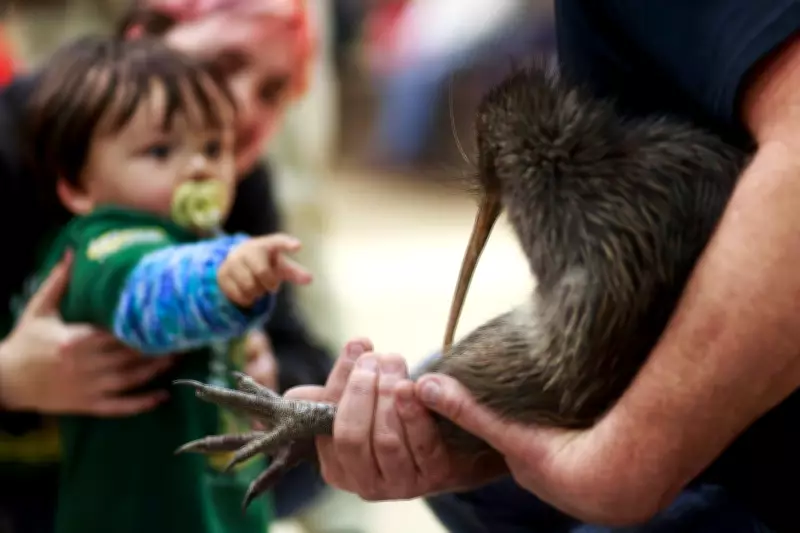
A community-driven conservation initiative has successfully reintroduced kiwi birds to New Zealand's capital, Wellington, ending a century-long absence. The project, led by the Capital Kiwi Project, saw the release of several kiwi into the wild near the city.
Historic Return
The last wild kiwi in the Wellington region were recorded over 100 years ago, primarily due to habitat loss and predation by introduced species. The return of these iconic birds marks a significant milestone for local conservation efforts.
Community Effort
The campaign involved extensive community participation, including predator control programs, habitat restoration, and public education. Local volunteers played a crucial role in monitoring the released birds and maintaining safe environments.

Key achievements include the establishment of a predator-free sanctuary and the successful breeding of kiwi in captivity for release. The project has garnered widespread support from residents, schools, and businesses.
Conservation Impact
The reintroduction is part of a broader national effort to restore kiwi populations across New Zealand. Conservationists hope that the Wellington project will serve as a model for other urban areas.
“This is a testament to what communities can achieve when they come together for conservation,” said a spokesperson for the Capital Kiwi Project. The birds are now thriving in their new habitat, with early monitoring showing promising signs of adaptation.