Kilauea Volcano Erupts with Spectacular Lava Fountains, Prompting Safety Closures
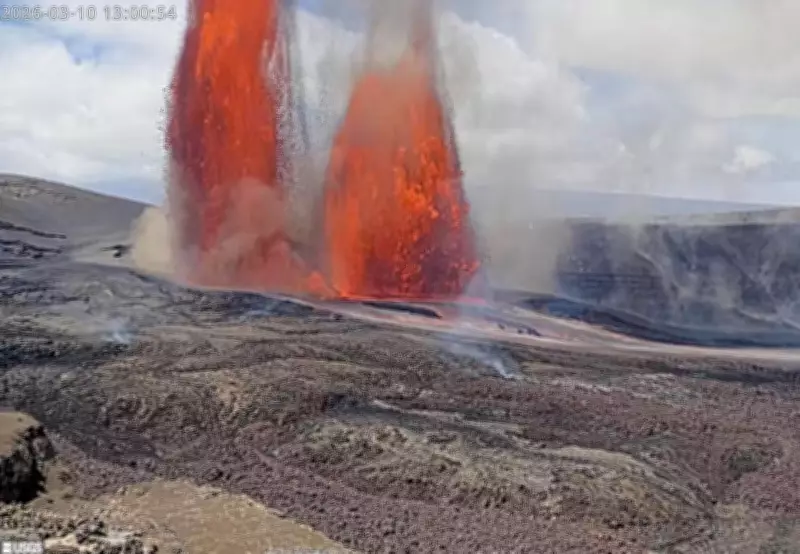
Hawaii's Kilauea volcano has erupted, producing towering lava fountains that have forced the closure of Hawaii Volcanoes National Park and several highways in the area. The eruption, which began on Tuesday, March 10, 2026, was captured in dramatic video footage by the United States Geological Survey (USGS), showing intense volcanic activity within the national park.
Immediate Impacts and Safety Measures
In response to the volcanic eruption, authorities have implemented immediate safety measures. Hawaii Volcanoes National Park has been closed to the public to protect visitors from potential hazards such as toxic gases, falling ash, and lava flows. Additionally, key highways near the volcano have been shut down to prevent access to dangerous zones and ensure emergency services can operate unimpeded.
The USGS has been monitoring the situation closely, providing real-time updates on the eruption's progression. Lava fountains have been observed reaching significant heights, creating a spectacular yet hazardous display. This activity is part of Kilauea's ongoing volcanic behavior, which has seen periodic eruptions over the years, impacting the Big Island of Hawaii.

Historical Context and Environmental Effects
Kilauea is one of the world's most active volcanoes, with a history of eruptions that have shaped the landscape and affected local communities. The current eruption follows a pattern of increased seismic activity in the region, which scientists had been tracking. Volcanic eruptions like this can have wide-ranging environmental impacts, including air quality degradation due to sulfur dioxide emissions and potential damage to ecosystems from lava flows.
Residents and tourists in Hawaii are advised to stay informed through official channels and avoid the affected areas. The closures are expected to remain in place until the volcanic activity subsides and it is deemed safe to reopen. This event underscores the dynamic nature of Hawaii's volcanic environment and the importance of preparedness in such regions.