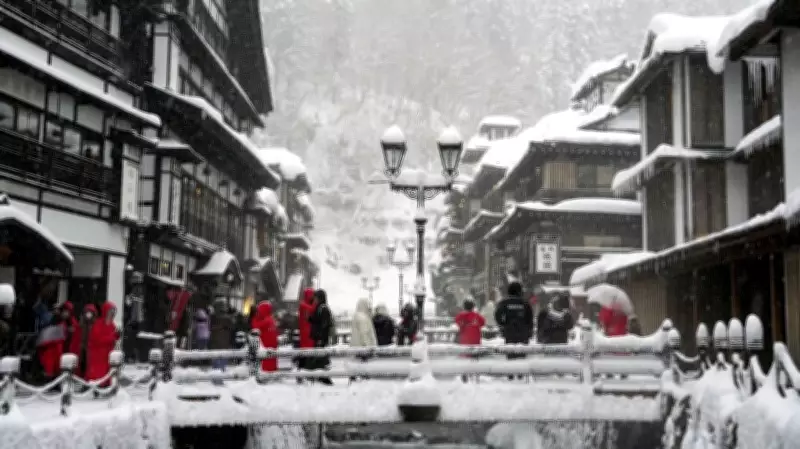
Japan is confronting a critical and escalating crisis as its rapidly aging population coincides with worsening snow conditions, forming a lethal combination that threatens the safety and well-being of elderly citizens across the nation.
The Demographic and Climatic Convergence
With one of the world's oldest populations, Japan has over 28% of its people aged 65 or older, a figure projected to rise in the coming decades. Simultaneously, climate change is intensifying snowfall patterns in many regions, leading to heavier and more unpredictable snowstorms. This convergence creates heightened vulnerabilities, particularly in rural and mountainous areas where elderly residents often live in isolation.
Increased Risks for the Elderly
The dangers are multifaceted. Heavy snowfall can block roads, delaying emergency services and cutting off access to essential supplies like food and medicine. For older adults with mobility issues or chronic health conditions, shoveling snow poses a significant risk of heart attacks, falls, and hypothermia. Moreover, power outages during severe storms can leave vulnerable individuals without heating in freezing temperatures.

Regional Impacts and Responses
In prefectures such as Yamagata and Niigata, known for heavy winter snow, local governments are struggling to adapt. Efforts include deploying more snow-removal teams, establishing community check-in systems for seniors, and promoting the use of emergency alert technologies. However, budget constraints and labor shortages, exacerbated by Japan's shrinking workforce, hinder these initiatives.
Broader Implications and Future Outlook
This issue underscores the urgent need for integrated policies that address both demographic shifts and climate adaptation. Experts warn that without proactive measures, the mortality rate among Japan's elderly during winter months could spike. Solutions being explored include incentivizing younger people to move to snow-prone areas, investing in resilient infrastructure, and enhancing social support networks.
As Japan navigates this dual challenge, the situation serves as a stark reminder for other aging societies worldwide to prepare for the compounded effects of demographic change and extreme weather events.