A new exhibit titled 'The Ones We Met' is shedding light on the crucial role Inuit played in the recovery of the Franklin Expedition ships, which vanished in the Arctic in 1845. The display, hosted by the Collingwood Museum, aims to correct historical records that have long overlooked Indigenous contributions.
Exhibit Details and Historical Context
The Franklin Expedition, led by Sir John Franklin, set out in 1845 to navigate the Northwest Passage but ended in tragedy with all 129 crew members perishing. For decades, the fate of the ships HMS Erebus and HMS Terror remained a mystery until their discovery in 2014 and 2016, respectively. The exhibit draws on oral histories and archaeological evidence to show how Inuit communities provided critical information that led to the ships' locations.
Curators emphasize that Inuit knowledge, passed down through generations, included detailed accounts of sightings of the ships and their crews. According to the Collingwood Museum, these narratives were often dismissed by European explorers but are now being recognized as invaluable.

Inuit Participation in Recovery Efforts
The exhibit features artifacts, maps, and interviews with Inuit elders who recount stories of their ancestors encountering the stranded expedition. It also highlights modern collaborations between Inuit organizations and Parks Canada in the underwater recovery of the wrecks. 'This is a story that has been told from one perspective for too long,' said a museum spokesperson. 'We are honoring the Inuit who helped solve one of history's greatest mysteries.'
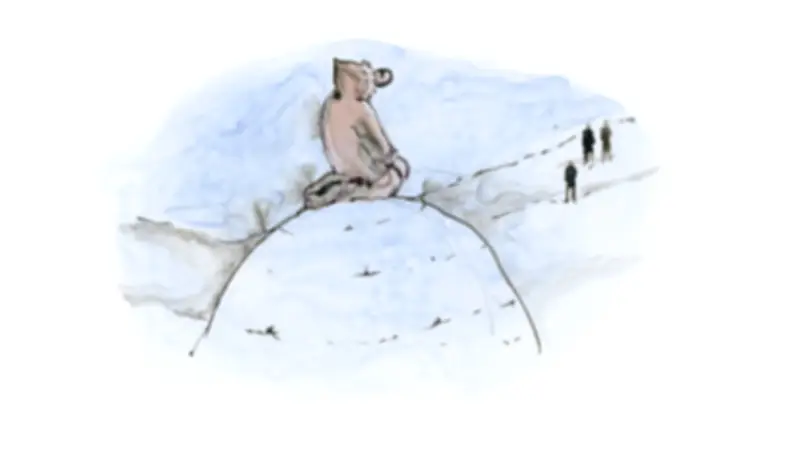
One key artifact is a depiction of what Inuit saw after the expedition failed, showing a ship trapped in ice and survivors on the shore. The exhibit notes that Inuit oral accounts were instrumental in guiding search parties in the 19th century and again during recent sonar surveys.
Broader Impact and Recognition
The exhibit has drawn attention from historians and Indigenous groups who see it as a step toward reconciliation. 'This is about acknowledging that Inuit were not just bystanders but active participants in the search and recovery,' said an Inuit cultural advisor. The museum hopes the exhibit will encourage further research into Indigenous knowledge systems.
'The Ones We Met' runs until September 2026 and includes interactive displays and educational programs. It is part of a growing trend in museums to decolonize narratives and amplify marginalized voices.