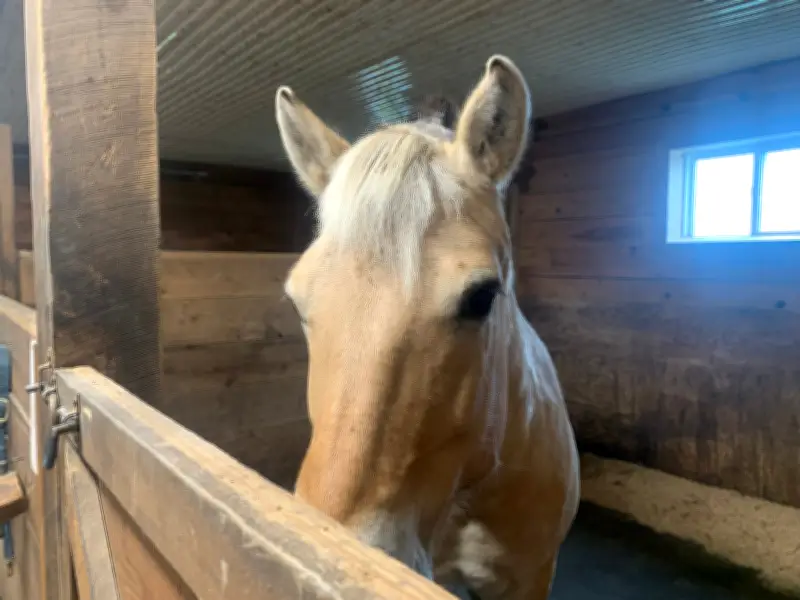
Participants at Hope Haven Therapeutic Riding Centre in Markdale, Ont., galloped their way to victory alongside their four-legged friends, demonstrating the transformative power of equine-assisted therapy. The event, held on July 9, 2026, celebrated the achievements of riders who have overcome physical, emotional, and cognitive challenges through structured horseback riding programs.
Therapeutic riding yields tangible results
Hope Haven's program, which serves individuals with disabilities, mental health conditions, and trauma histories, has been credited with improving balance, coordination, self-confidence, and social skills. According to program director Sarah Mitchell, “Every ride is a step forward. Seeing our participants achieve their goals—whether it's steering independently or building trust with their horse—is truly inspiring.” The centre's approach combines professional instruction with the natural bond between humans and horses, offering a unique form of rehabilitation.
Participants celebrate milestone achievements
At the recent event, several riders demonstrated advanced skills, including navigating obstacle courses and performing pattern work. One participant, 12-year-old Emma Chen, who has cerebral palsy, completed a series of trotting exercises without assistance. “Emma has been riding here for two years, and her progress has been remarkable,” said her mother, Lisa Chen. “She's more confident on her feet and in herself.” Another rider, veteran John Thompson, who suffers from PTSD, credited the program with helping him manage anxiety. “The horse doesn't judge me. It's a bond that's helped me heal,” he said.

Equine therapy gains recognition
Hope Haven is part of a growing network of therapeutic riding centres across Canada. Research indicates that equine-assisted therapy can reduce symptoms of anxiety, depression, and PTSD while improving motor function and emotional regulation. A 2025 study published in the Journal of Rehabilitation Research found that participants in structured riding programs showed a 30% improvement in balance and a 25% reduction in stress levels after 12 weeks. The centre, which operates year-round, serves over 100 clients annually and relies on donations and volunteer support.
Community support fuels success
The event also highlighted the importance of community backing. Local businesses provided sponsorships, and volunteers helped with horse care and session assistance. “Without our volunteers and donors, none of this would be possible,” said Mitchell. The centre plans to expand its facilities to accommodate more riders and offer additional programs, including carriage driving for those unable to ride.