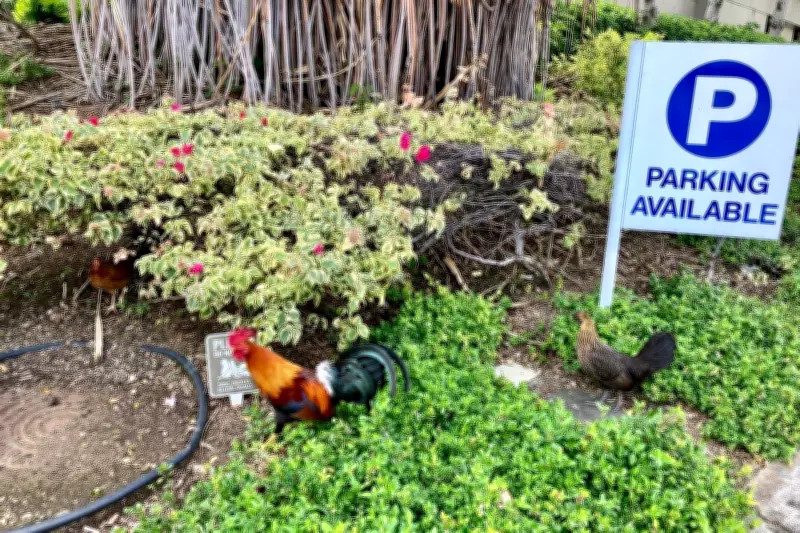
Residents across Hawaii, particularly in urban areas like Honolulu, have reached a breaking point with the pervasive population of wild chickens. The birds, known for their disruptive early morning crowing and sometimes aggressive behavior, including pecking at people and property, have sparked significant community frustration. In response, state officials are now considering legislative changes that would permit residents to kill these feral chickens under specific circumstances.
Growing Nuisance and Public Health Concerns
The issue extends beyond mere annoyance. Feral chickens, which roam freely in neighborhoods, parks, and even downtown districts, are blamed for creating unsanitary conditions and posing minor safety risks. Their constant noise, especially at dawn, disrupts sleep and daily life, while reports of aggressive pecking have raised concerns about potential injuries, particularly to children and pets. This has led to a surge in complaints to local authorities, highlighting the need for more effective animal control measures.
Proposed Solutions and Community Debate
While some communities have attempted non-lethal methods, such as relocation or habitat modification, these efforts have often proven insufficient against the rapidly reproducing chicken populations. The proposed allowance for killing the birds is seen as a last resort to manage the problem. However, the measure has ignited debate among residents, with some advocating for stricter enforcement of existing nuisance laws instead. Animal welfare groups have also expressed concerns, urging for humane alternatives and better public education on coexistence.

The situation in Hawaii mirrors challenges faced in other regions with invasive or overpopulated wildlife, balancing human comfort with ethical wildlife management. As discussions continue, officials emphasize that any new regulations would include guidelines to ensure actions are taken responsibly and legally, aiming to address both community grievances and animal welfare considerations.